
Are Motorized Shades Worth It?
A wall of windows looks impressive until you are adjusting five shade panels by hand every morning and again at sunset. That is usually the moment homeowners start asking, are motorized shades worth it, or are they just a luxury add-on with a higher price tag.
For many homes, they are worth it – but not for every window, every budget, or every project. The real value comes down to what problem you are trying to solve. If you want easier daily light control, cleaner-looking windows, better access to hard-to-reach shades, or smart-home integration that actually gets used, motorization can be a strong upgrade. If your windows are few, easy to reach, and rarely adjusted, manual shades may still be the better buy.
Are motorized shades worth it for everyday living?
The strongest argument for motorized shades is not novelty. It is convenience that changes how often you use your window treatments.
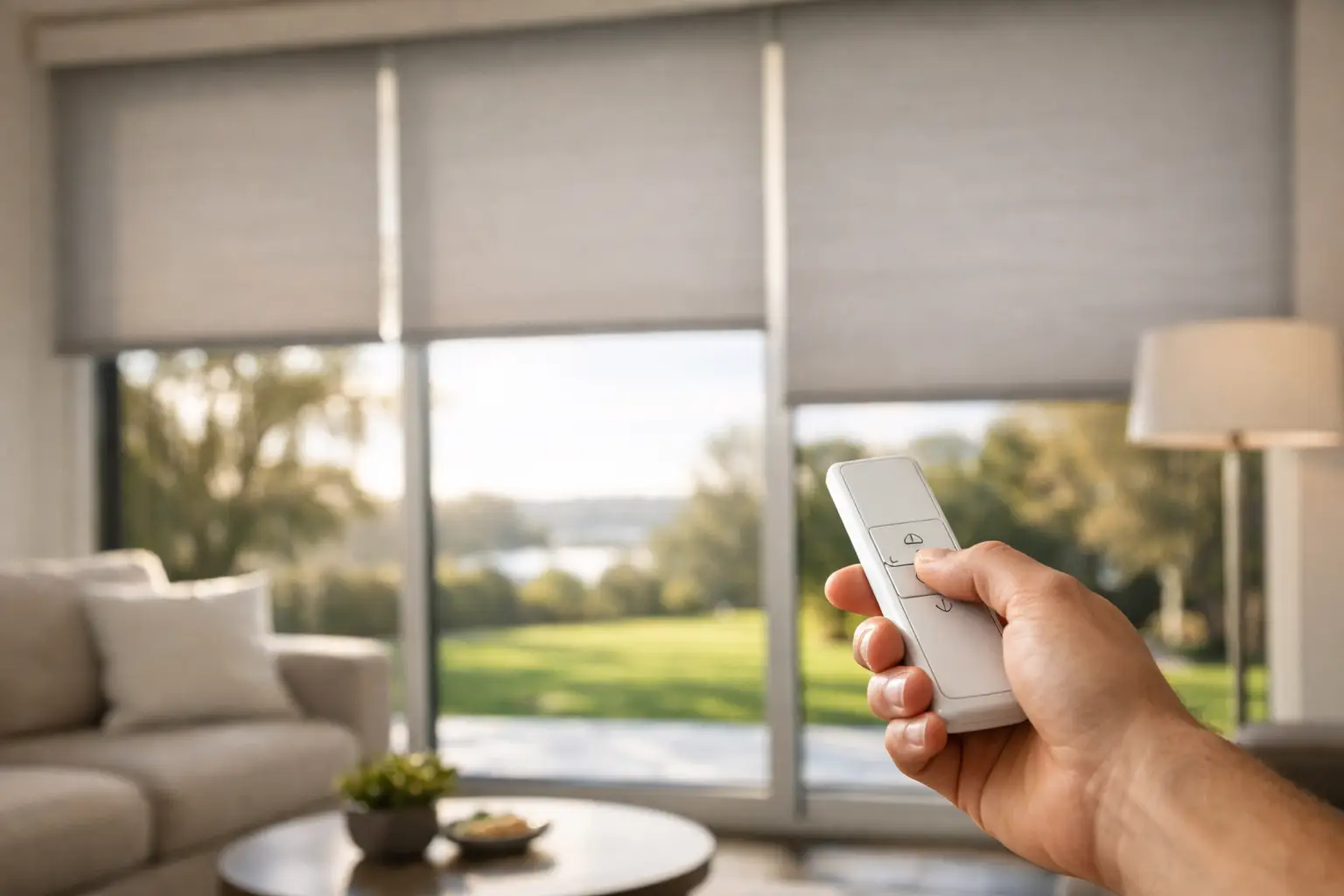
Many people buy shades for privacy, glare control, or energy management, then leave them in one position because raising and lowering them throughout the day becomes a chore. Motorization removes that friction. With a remote, wall control, app, or voice command, it becomes easy to fine-tune light in a living room, lower bedroom shades at night, or coordinate multiple windows at once.
That matters even more in open-concept homes, condos with large glass expanses, and rooms with tall or awkward windows. A motorized system can control a single shade, a row of shades, or an entire room without cords, chains, or repeated manual adjustments. In practical terms, that means people tend to use the shades as intended rather than treating them like a fixed backdrop.
From a design perspective, motorization also supports a cleaner finish. There are fewer visible operating components, which helps preserve the tailored look of custom roller shades, Roman shades, honeycomb shades, and other modern treatments. In rooms where architecture and furnishings are carefully considered, that detail can make a difference.
Where motorized shades add the most value
Motorization pays off fastest when the window itself is difficult, the room gets used constantly, or the shade operation needs to be frequent and precise.
Large windows and multi-shade walls are one of the clearest examples. A hand-operated shade is manageable on one opening. It becomes less appealing when you have six or eight in a row. Motorization turns that into a single action and keeps alignment more consistent across the room.
Bedrooms are another strong candidate, especially when blackout or room-darkening performance matters. Timed shade operation can support a more comfortable routine by opening in the morning and closing in the evening without daily effort. That may sound small, but in a primary suite or nursery, it often becomes one of the most appreciated upgrades in the space.
Media rooms, home offices, and sun-exposed living areas also benefit. If glare control changes throughout the day, motorized shades make it easier to respond quickly. That is especially useful when screens, artwork, and furniture are affected by direct sun.
Then there are windows that are simply hard to reach – above staircases, behind tubs, over kitchen counters, or in two-story foyers. In these cases, motorization is not just convenient. It is often the most practical operating method available.
The trade-offs people should know before buying
If you are asking whether motorized shades are worth it, cost is part of the conversation. They are more expensive than manual shades, both in product pricing and sometimes in installation complexity, depending on the system and power source.
That added cost may include motors, controls, hubs, programming, and electrical planning if you choose hardwired operation. Battery-powered options reduce some of that complexity and are often a good fit for retrofit projects, but they still need periodic charging or battery replacement.
There is also a planning factor. Motorized shades are more rewarding when selected carefully. The right fabric openness, lift style, motor type, control method, and brand compatibility all matter. A shade that looks great but is too sheer for a bedroom, or a motor system that does not integrate well with the rest of the home, can leave the buyer feeling like they paid for features they do not fully use.
Noise is another question that comes up. Today’s premium systems are generally quiet, but no motorized shade is completely silent. In most rooms, the sound is brief and minor. In a very quiet bedroom, however, product quality and installation standards matter more.
Are motorized shades worth it compared to manual shades?
Manual shades still make sense in plenty of spaces. They cost less, they are simple to operate, and they work well when the shade is within easy reach and only adjusted occasionally.
The difference is not that motorized shades are always better. It is that they solve a different level of need.
If the main goal is to cover a single guest room window on a modest budget, manual may be the sensible choice. If the project includes a full main floor, a bedroom suite, large sliding doors, or automated daily routines, motorization becomes much easier to justify. The larger and more design-driven the project, the more noticeable the value tends to be.
For some clients, the decision is mixed rather than all-or-nothing. They motorize the most-used or hardest-to-reach areas and keep manual operation in secondary rooms. That approach often balances budget and performance without overcommitting.
What makes one motorized shade system worth it and another not?
Not all motorization delivers the same experience. This is where product selection matters more than the idea of automation itself.
A good system should match the room, shade style, and user expectations. Roller shades are a common choice for motorization because they operate cleanly and suit contemporary interiors. Honeycomb shades can pair well with motorization when energy efficiency is a priority. Roman shades can also be motorized beautifully, but stack height, fabric weight, and overall construction need to be considered carefully.
The power source matters too. Battery motors can be excellent for retrofit projects, condos, and finished homes where running wire is disruptive. Rechargeable and low-voltage options have made this category much more practical than it once was. Hardwired systems are often preferred in new construction and major renovations because they support a clean long-term setup and eliminate battery maintenance.
Control options should also feel intuitive. Some homeowners want a handheld remote and nothing more. Others want app control, scene setting, or integration with wider smart-home platforms. The right answer depends on how the home is actually used. More features are not automatically better if they add complexity without improving daily comfort.
This is also where established brands and professional specification make a difference. Reliable motors, compatible controls, proper fabric selection, and precise installation all affect whether the end result feels premium or frustrating.
Who should seriously consider motorized shades
Homeowners planning a custom interior, upgrading a sun-heavy room, or finishing a renovation should look closely at motorization early in the process. The same is true for designers and builders working on projects where clean sightlines, convenience, and smart-home readiness are part of the brief.
Condo owners often see strong value as well. Urban living frequently means larger windows, privacy concerns, and a premium on uncluttered design. A motorized shade can help manage daylight and visibility without adding visual noise.
Families with children may also prefer the cordless operation. While safety standards have changed across the industry, reducing accessible cords remains an appealing benefit in many homes.
Older adults or anyone with mobility concerns may find motorized shades especially worthwhile. A product that is easy to operate from a chair, bedside, or phone can make a home more comfortable and more functional every day.
When they may not be worth the upgrade
Motorized shades are not automatically the right answer for small, low-use spaces or highly budget-sensitive projects. If you rarely adjust the shades, if the windows are simple to access, or if the added cost would force compromises on fabric quality or overall fit, manual operation may be the smarter choice.
It is also worth being honest about how much automation you actually want. Some buyers love the idea of app-connected shades but end up using only a basic up-and-down command. That is fine, but it may mean a simpler motorized setup is enough rather than a fully integrated system.
The goal is not to add technology for its own sake. It is to choose a window treatment that improves the room in a way you will notice regularly.
The better question is where motorized shades are worth it
The most useful way to evaluate motorization is not to ask whether it is worth it in general. It is to ask which windows deserve it most.
In many projects, the answer is clear: the primary bedroom, the living room with broad glass, the office with afternoon glare, the staircase window that no one wants to reach, or the row of shades that should move together. In those spaces, motorization often feels less like a luxury and more like the right specification.
If you are comparing options, start with how the room functions, how often the shades will move, and whether design simplicity matters as much as convenience. That is usually where the best decision reveals itself. And when the system is selected well, motorized shades tend to earn their keep quietly, every single day.