
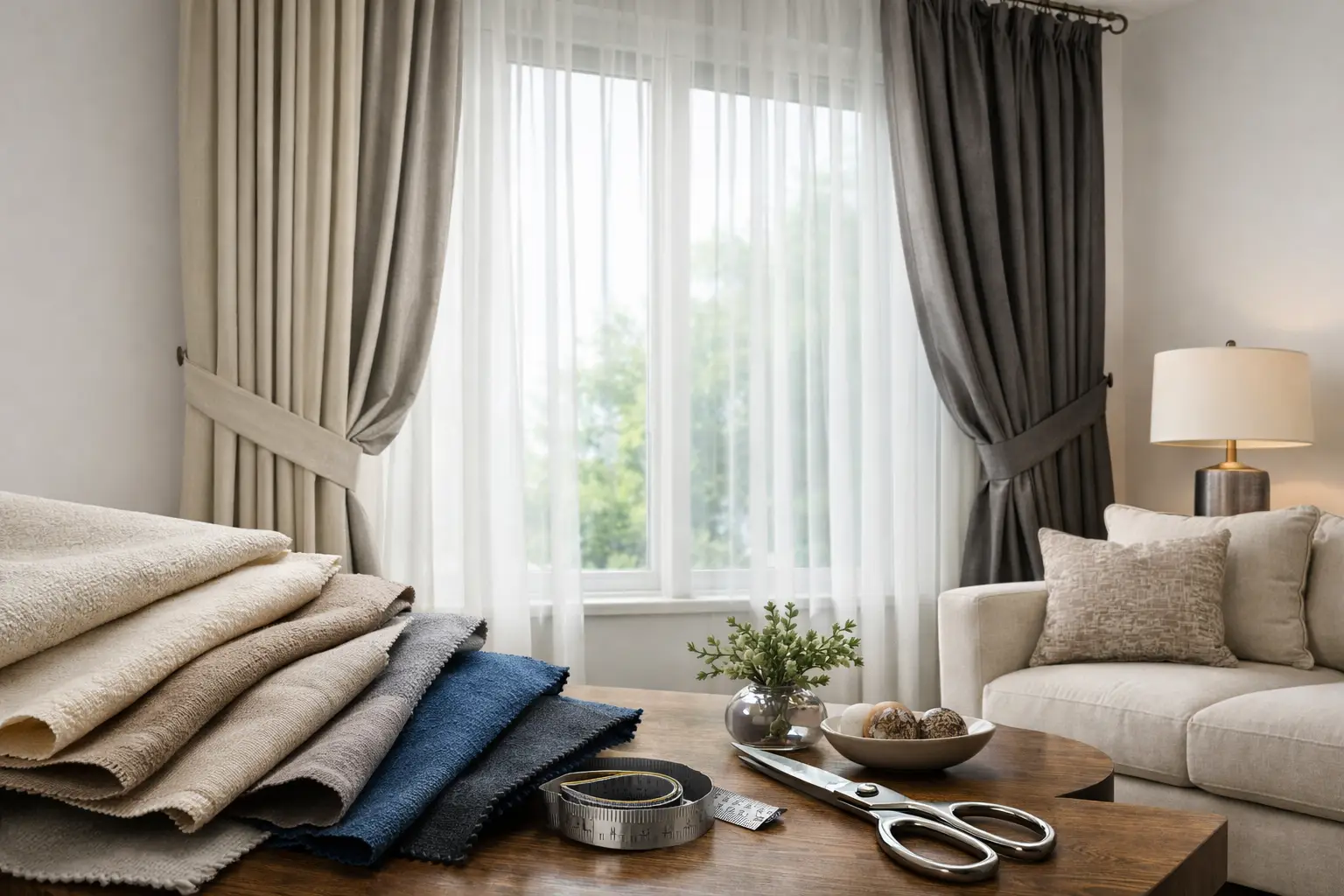
A Guide to Custom Window Drapery
A window can look oddly unfinished even when the furniture is right, the wall color works, and the lighting is layered well. The missing piece is often fabric. This guide to custom window drapery is designed to help homeowners, designers, and renovators choose drapery that does more than frame a view – it manages light, adds softness, improves privacy, and gives a room a more intentional finish.
Custom drapery is not simply fabric cut to size. It is a specification decision. Length, fullness, pleat style, lining, hardware, stack-back, and motorization all affect the final result. That is why custom tends to look noticeably better than off-the-shelf panels, especially in rooms with large windows, unusual dimensions, layered treatments, or a specific design direction.
Why custom drapery changes the result
Ready-made drapes can work in simple spaces, but they are built around standard widths, standard lengths, and broad style assumptions. Many windows are not standard. Ceiling heights vary, trim depths vary, and some rooms need blackout performance while others need soft filtered light. Once you add those variables, standard panels often start to look like a compromise.
Custom drapery gives you control over proportion. You can mount near the ceiling to visually raise a room, widen the rod to make the glass feel larger, or specify a tailored break at the floor instead of accepting a panel that hovers too high. Those details matter in living rooms, bedrooms, dining rooms, and open-concept spaces where window treatments are part of the architecture.
It also gives you control over function. In a bedroom, that may mean blackout lining and overlap returns for better light blocking. In a family room, it may mean decorative side panels over roller shades. In a condo with strong afternoon sun, it may mean pairing drapery with solar shades for glare control while preserving the view.
A practical guide to custom window drapery choices
The best place to start is with the room itself. Before fabric samples or pleat styles, ask what the drapery needs to do. A formal dining room and a nursery may both use drapery, but they rarely need the same construction.
Start with the room’s priorities
If privacy is the main goal, fabric weight and lining become central. If light control is the issue, think about how much light should enter and at what times of day. If the room already has shades or blinds, drapery may be primarily decorative, which changes the way you think about operability and stack-back.
This is also where lifestyle matters. Homes with pets, young children, or frequent entertaining may benefit from durable fabrics and simpler silhouettes. In a primary bedroom, softness and full coverage usually matter more than stain resistance. In a model home or design-forward living space, visual impact may take priority.
Choose the right fabric
Fabric drives both appearance and performance. Linen blends offer texture and a relaxed look, but they can feel more casual and may show natural variation. Velvet adds richness and excellent light control, but it is heavier and more formal. Cotton blends are versatile and easier to adapt across many interiors. Sheers bring softness and filtered light, though they do little for privacy at night unless layered.
Drape is as important as color. Some fabrics fall in smooth, elegant folds. Others are stiffer and more architectural. A beautiful swatch does not always translate into a beautiful finished panel, which is why fabric should be evaluated not just on pattern and color, but on hand, weight, and how it will hang.
Pattern scale deserves attention too. A large print can look dramatic on wide expanses but busy on narrow windows. In open layouts, drapery often needs to relate to nearby upholstery, wall finishes, and area rugs without repeating them too literally.
Understand lining and interlining
Lining is one of the most overlooked decisions in drapery, yet it affects longevity, privacy, and body. A standard lining adds structure and protects the face fabric. Blackout lining is the right call when sleep quality, media glare, or strong exterior light is a concern. Privacy lining offers a middle ground when full blackout is unnecessary.
Interlining adds another layer between the face fabric and lining. It creates a fuller, more luxurious look and can improve insulation and drape quality. It is often worth considering in formal rooms or anywhere you want drapery to feel substantial. The trade-off is cost and weight, which may influence hardware selection and operation.
Style decisions that shape the finished look
Once the functional requirements are clear, the visual specification becomes easier. This is where custom drapery starts to feel truly tailored.
Pleat style and header design
Pleat style changes the personality of the room. Pinch pleats feel classic and structured. Ripplefold panels are clean and modern, often preferred for contemporary interiors and wide glass expanses. Grommet tops are less common in premium custom applications because they read more casual and offer less refined stack behavior.
There is no universal best option. A traditional home may suit tailored pleats and decorative rods. A modern condo may look better with ripplefold drapery on a sleek track. The right choice depends on architecture, ceiling height, and the overall furnishing plan.
Fullness, width, and stack-back
This is where many installations either look polished or disappoint. Drapery needs enough fullness to create proper folds. Too little width makes panels look flat and skimpy, even in premium fabric. Too much fullness can feel bulky, especially on smaller windows.
Stack-back also matters. When drapery is open, where does the fabric sit? If the stack covers too much glass, you lose daylight and view. This is particularly important on patio doors, large bedroom windows, and homes with expansive glazing. Proper specification balances beauty with usable window area.
Length and mounting height
Short drapery rarely looks custom unless it is intentionally designed as a café or sill-length treatment. In most residential settings, panels should either kiss the floor, break slightly, or puddle by design. The right choice depends on the room and the style direction. A slight break can feel elegant in formal spaces, while a clean floor touch often works best in contemporary homes.
Mounting higher than the window frame is usually beneficial. It draws the eye upward and helps the room feel taller. Extending hardware wider than the frame can also make windows appear larger and allows more light when panels are open.
Layering custom drapery with shades and blinds
Some of the most effective window treatments are layered systems. Drapery handles softness and visual scale. Shades or blinds handle precision light control, privacy, and in some cases energy efficiency.
A common combination is drapery over roller shades. This works well in bedrooms, living rooms, and condos where the shades manage daytime glare and privacy while the drapery completes the room. Roman shades under side panels can create a more decorative, traditional effect. Sheer drapery over motorized shades is another smart solution for wide windows and sliding doors.
Layering is especially useful when one product alone would force a compromise. A sheer by itself will not darken a room. A blackout shade by itself may solve function but leave the room feeling hard. Together, the result is more complete.
When motorization makes sense
Motorized drapery is no longer limited to luxury show homes. It is practical for tall windows, hard-to-reach installations, primary bedrooms, media rooms, and large spans of glass where manual operation becomes inconvenient.
It also helps protect the drapery itself. Frequent hand-pulling can wear fabrics and disrupt alignment over time. With motorization, panels operate more consistently and integrate more easily into a smart-home routine. Open in the morning, close in the evening, and coordinate with other shading systems if the project calls for it.
That said, motorization is not automatically necessary. In smaller rooms with occasional use, manual drapery may be the better value. The right choice depends on scale, frequency of operation, and how the room is used day to day.
The measurement issue that changes everything
Drapery is unforgiving when measured poorly. A fraction too short can look accidental. A width miscalculation can make expensive panels look underbuilt. Hardware placement, return depth, trim clearance, and obstructions such as handles or radiators all need to be accounted for before fabrication.
This is one reason consultation matters. In a full-home project or a space with layered treatments, drapery should be planned in relation to the entire window system, not as an afterthought. Window Fashions Depot often works with clients who want that level of guidance because selecting from hundreds of fabrics and hardware options is only half the job. The specification is what produces the finished result.
What to expect from a custom drapery process
A good custom process moves from needs to specification, not the other way around. First comes the conversation about the room, style, privacy, light control, and budget. Then fabric, hardware, and construction options are narrowed. Measurements are confirmed, the build is specified, and installation follows once fabrication is complete.
This process tends to save money compared with correcting the wrong choice later. Reordering too-short panels, replacing weak hardware, or trying to retrofit blackout performance into decorative drapery is far more frustrating than getting the plan right at the start.
If you are choosing drapery for one room, start with the room that feels the most incomplete. If you are planning a larger project, think in layers and priorities rather than treating every window the same. The best custom drapery does not just match the room – it makes the room work better every day.