
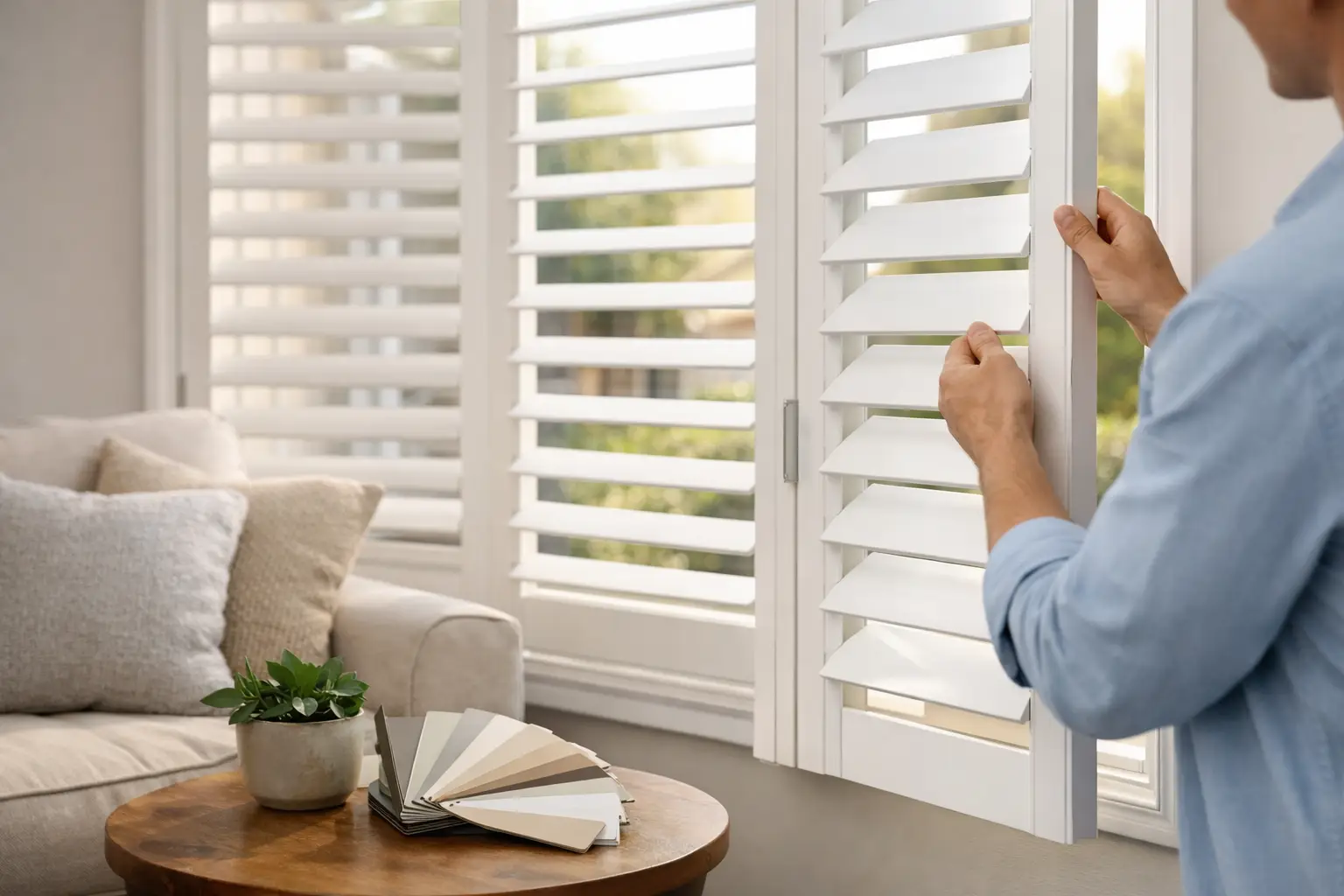
A Guide to Custom Shutters That Fit Right
If you have ever seen shutters that looked perfect in one room and strangely heavy, awkward, or impractical in another, you already understand why a real guide to custom shutters matters. Shutters are not just a decorative add-on. They affect light control, privacy, insulation, maintenance, and the overall architecture of the room, which means the right choice depends on more than color and price.
Unlike off-the-shelf window coverings, custom shutters are built around the exact window, the room’s use, and the level of control you want every day. That is what makes them so appealing for living rooms, bedrooms, kitchens, bathrooms, and full-home projects. It is also what makes selection more nuanced than many homeowners expect.
Why a guide to custom shutters starts with the window
The first decision is not the finish or louver size. It is the window itself. Shape, depth, trim detail, and how the window opens all influence which shutter configuration will work well and which one may create frustration later.
A shallow window depth can limit inside-mount options. A large picture window may benefit from multiple panels so the scale feels balanced and the panels remain manageable to open. A patio-adjacent room may need a layout that preserves traffic flow instead of swinging into walkways. Even a beautiful shutter can feel wrong if the panel split, frame, or tilt option does not match the way the window is used.
This is where custom specification earns its value. A properly planned shutter should look intentional from across the room and operate easily at arm’s length.
Choosing the right shutter material
Material affects performance as much as appearance. The best option depends on moisture, sun exposure, desired finish, and budget.
Wood shutters
Real wood shutters are often chosen for their warmth, natural grain, and furniture-like finish. They work especially well in living rooms, dining rooms, home offices, and primary bedrooms where aesthetics carry as much weight as function. They can also be lighter in weight than some composite alternatives, which matters on larger windows.
The trade-off is that wood is usually a more premium choice and may not be ideal for high-humidity rooms if conditions fluctuate heavily. For many design-focused interiors, though, the depth and character of wood are hard to replicate.
Composite and faux wood shutters
Composite and faux wood shutters are popular because they offer a clean, substantial look with strong durability. They are often a practical fit for bathrooms, kitchens, laundry rooms, and busy family spaces where moisture resistance and easy maintenance matter.
They can deliver excellent value, but weight should be considered on oversized openings. In some applications, a heavier panel construction may influence the best panel width or frame style.
Vinyl or specialty performance materials
For certain environments, performance-driven materials can make the most sense. If the priority is resilience, low maintenance, or a specific price point, these options can be worth considering. The key is to avoid treating all synthetic shutters as interchangeable. Build quality, finish consistency, and hardware matter.
Style matters, but proportion matters more
Most shoppers begin with style, and that is understandable. Plantation shutters remain the most requested look because they feel clean, tailored, and versatile across traditional, transitional, and contemporary interiors. Still, the visual success of shutters often comes down to proportion.
Louver size
Larger louvers tend to create a more open, modern look and allow a broader view through the shutter when tilted open. Smaller louvers feel more classic and can suit more traditional architecture. Neither is universally better. A compact bathroom window and a wide living room window may call for very different scale.
Panel configuration
Single panels, bi-fold panels, bypass systems, and split designs each solve different problems. On a standard bedroom window, a straightforward hinged panel layout may be ideal. On a sliding door or extra-wide opening, a tracked or bypass application may preserve function better.
The mistake to avoid is choosing panel widths that are too large for comfortable daily use. A shutter should not feel cumbersome every time you open it.
Divider rails and tilt options
Divider rails let the top and bottom louvers operate independently, which is useful when you want light at the top and privacy below. Hidden tilt options create a cleaner look, while traditional front tilt bars may better suit classic styling. These are small details, but they noticeably affect both appearance and usability.
Inside mount or outside mount
A good guide to custom shutters should address mounting because this choice changes the final result more than many people realize.
Inside-mount shutters sit within the window opening and tend to look built-in, tailored, and architectural. They are a strong choice when the window has enough depth and the trim is worth showcasing.
Outside-mount shutters are mounted beyond the opening. They can help when window depth is limited, when you want to visually enlarge the window, or when you need more coverage for light gaps. In some cases, outside mounting is simply the more functional solution. It may not have the same recessed look, but it can solve real installation constraints cleanly.
There is no universal best answer here. The right mount depends on the window construction and the look you want from the room.
Room-by-room shutter planning
Shutters perform differently depending on where they are installed, so room use should guide the final specification.
Living rooms and main gathering spaces
In living areas, shutters often need to balance appearance, daylight, and street-facing privacy. Larger louvers usually feel more open and contemporary here, especially on broad front windows. If the room gets strong afternoon sun, the ability to control glare without fully darkening the space becomes a major advantage.
Bedrooms
Bedrooms typically need stronger privacy and better light management. Divider rails can be especially helpful if you want daylight above while maintaining privacy below. Keep in mind that shutters provide excellent control, but they are not the same as blackout shades. If near-total darkness is important, layering may be worth discussing.
Kitchens and bathrooms
These spaces reward practical material choices. Moisture-resistant shutters are often the safest long-term solution, and easy-clean finishes matter. A beautiful painted wood shutter next to a steamy shower may not be the smartest specification, even if it matches the vanity perfectly.
Home offices
For workspaces, glare control is often the top priority. Shutters allow precise adjustment through the day without making the room feel closed off. This is particularly useful in offices with multiple screens or windows facing direct sun.
What custom really includes
Custom shutters are not just made-to-measure panels. A true custom process includes frame selection, panel layout, louver size, mounting style, finish, tilt mechanism, and installation planning.
That level of detail matters most on non-standard windows. Arched windows, bay windows, corner windows, and oversized openings often require more than a simple width and height order. If the project includes multiple rooms, consistency also becomes part of the design decision. The shutters do not need to be identical everywhere, but they should feel coordinated across the home.
For homeowners and designers, this is where showroom support and consultation make the process much easier. Seeing material samples, frame profiles, and louver sizes in person can quickly narrow choices that look similar online but perform differently in the home.
Common mistakes to avoid
The most common mistake is buying based on appearance alone. A shutter can look perfect in a sample display and still be wrong for the window depth, room moisture level, or panel swing.
Another issue is underestimating the importance of measurement. Small inaccuracies can affect fit, operation, and light gaps. That is why custom shutters tend to reward professional measuring, especially on older homes where openings are rarely perfectly square.
Finally, do not assume the least expensive option is the best value. A lower-cost shutter that feels bulky, limits access to the window, or does not hold up to the environment may need replacement sooner than expected.
How to know you are choosing well
The right shutters should answer three questions clearly. Do they suit the architecture of the room? Do they solve the practical needs of privacy, light, and durability? And will they still feel right several years from now?
That last question matters. Shutters are a long-term design decision. They become part of the room’s structure, not just an accessory you swap out next season. A well-chosen custom shutter should feel quiet, intentional, and easy to live with.
If you are comparing options for one room or planning a full-home window treatment project, take the time to evaluate material, configuration, and installation together. The best result usually comes from treating shutters not as a single product, but as a tailored solution for how the space actually works. That is when custom starts to look less like an upgrade and more like the right specification from the start.