
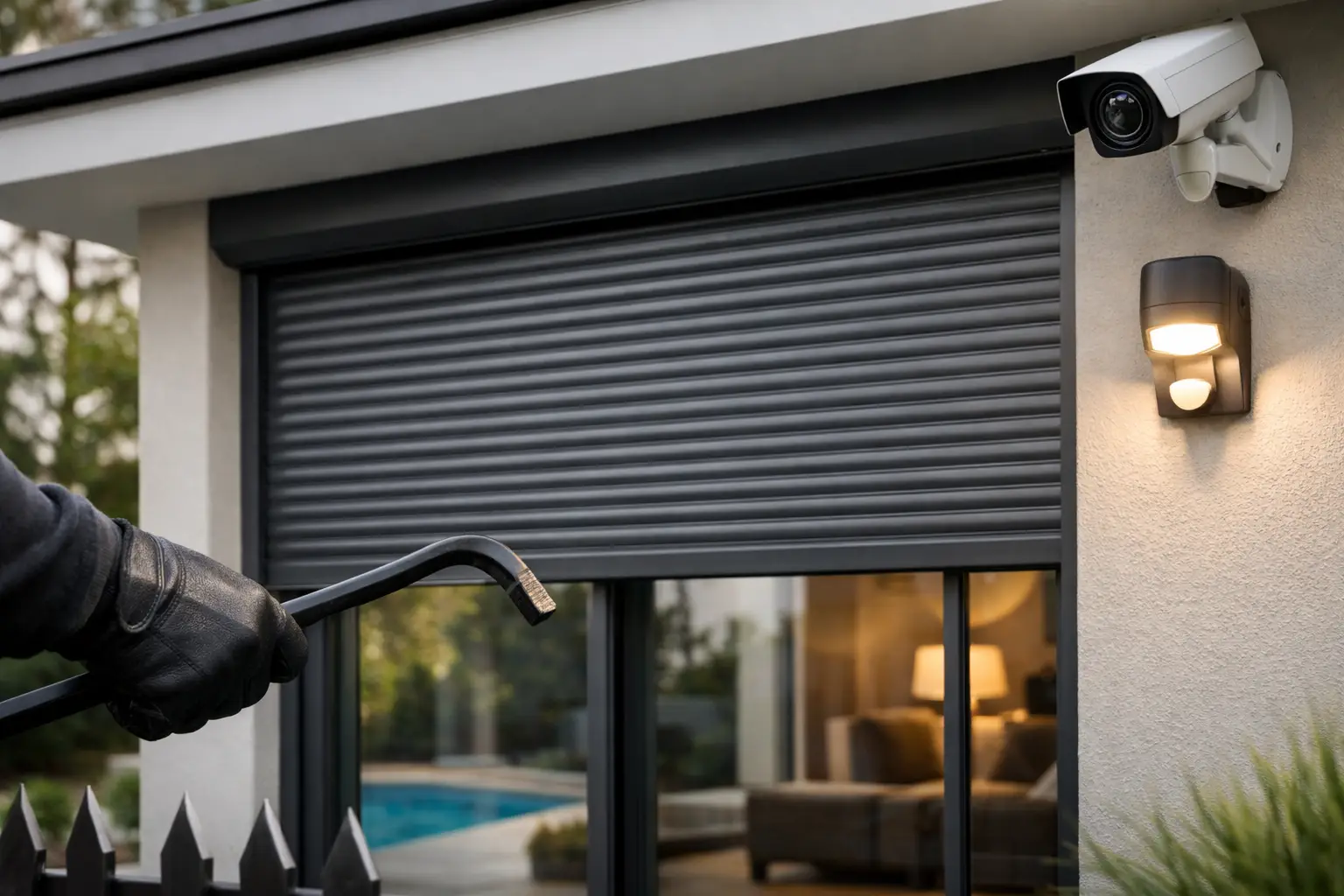
Roller Shutters for Home Security: What to Know
A street-facing window can be the weakest point in an otherwise well-secured home. Glass is exposed, sightlines are open, and standard window coverings do little once someone is outside. That is why many homeowners start looking at roller shutters for home security when they want more than privacy or light control – they want a physical barrier that changes how accessible the home feels from the exterior.
Security shutters are often discussed as if they are a simple add-on, but the right system depends on the opening, the construction of the home, daily use habits, and the look you are trying to preserve. For some properties, they are primarily a break-in deterrent. For others, they also help with insulation, storm protection, glare control, and noise reduction. The best result usually comes from treating them as a custom exterior system rather than a one-size-fits-all product.
Why roller shutters for home security work
The main advantage of roller shutters for home security is straightforward: they create a strong exterior layer over vulnerable openings. Instead of leaving glass fully exposed, the shutter curtain lowers into place and makes forced access slower, louder, and more difficult. That delay matters. Most opportunistic intrusions rely on speed and visibility. If a window or door looks harder to breach, many intruders move on.
There is also a psychological benefit. A home that appears protected tends to attract less attention than one with large uncovered openings. From the street, shutters communicate that security was considered as part of the home design. That visible deterrent is part of their value, especially on ground-floor windows, patio doors, basement windows, and rear elevations with less natural surveillance.
Still, performance is not equal across all systems. Material thickness, guide rail design, locking method, operation type, and installation quality all affect real-world security. A low-grade product that rattles in the wind or fits poorly around the opening will not perform like a properly specified custom unit.
What to look for in a security shutter system
If security is the priority, focus first on construction. Aluminum shutters are common because they balance strength, weather resistance, and manageable weight. Not every aluminum shutter is built the same, though. Slat profile, wall thickness, and the design of the side guides all influence rigidity.
The operating system matters just as much. Manual shutters can be effective for smaller openings and buyers who want a simpler setup, but motorized systems are often better for daily use, especially across multiple windows or larger patio doors. If a shutter is inconvenient, it tends to stay open more often than it should. Convenience is not just a luxury feature here – it directly affects how consistently the system is used.
Locking and control options deserve careful attention. Some homeowners want basic switch control. Others prefer remote operation, timers, or smart-home integration through brands such as Somfy or Lutron. Automation can add real value if you want shutters to close at set times, respond to routines, or operate hard-to-reach openings. It also helps second-home owners or frequent travelers create a more lived-in appearance.
Aesthetics should not be ignored. Exterior security products can look bulky if they are selected without regard to facade style. The housing size, guide placement, and finish color should suit the architecture. On a contemporary home, clean lines may be the priority. On a traditional facade, minimizing visual heaviness may matter more. Good specification balances protection with curb appeal.
Where roller shutters make the biggest difference
Not every opening needs the same treatment. Street-level windows are often the starting point because they are the most visible and accessible. Sliding doors and large glazed openings at the back of the home are another major priority, especially where fencing, landscaping, or lot layout reduces visibility from neighbors.
Bedrooms can benefit for a different reason. In addition to security, shutters improve privacy and room darkening. That can make them appealing for homeowners who want one system to handle multiple concerns. In urban settings or condo-adjacent townhomes, that combination of protection, privacy, and light control often makes more sense than installing a separate security solution and separate blackout treatment.
Basement windows are easy to overlook, but they are often among the most vulnerable points of entry. Smaller openings still matter if they are hidden from view. A compact shutter system can make these windows far less attractive as access points.
For vacation properties or homes left empty during travel, exterior shutters add another layer of reassurance. They help the home look secured even when no one is there, and motorization can support scheduled operation. That said, shutters should complement a broader security plan. They work best alongside quality locks, lighting, alarms, and thoughtful landscaping.
Security is only part of the value
Many homeowners first ask about break-in protection and then realize the system solves several other exterior comfort issues. Roller shutters can improve insulation by reducing solar gain in summer and limiting heat loss at the glass in colder months. They can also cut glare in media rooms and reduce some outside noise.
That broader performance matters when you are evaluating cost. A shutter system is an investment, so it helps to look beyond the security function alone. If the product also supports privacy, sleep quality, energy efficiency, and facade control, the value equation changes.
There are trade-offs, of course. Fully closed shutters block natural light and exterior views. Some homeowners are happy to use them only at night or when away from home, while others want partial control during the day. This is where product selection and control strategy matter. The right setup should reflect how you actually live in the space, not just how the product performs on paper.
Custom sizing and installation matter more than most buyers expect
Security products are only as good as their fit. A poorly measured shutter can leave gaps, operate unevenly, or place strain on the motor and guides. On larger openings, improper installation becomes even more noticeable over time.
That is why custom specification is usually the smarter route for security shutters. Window shape, mounting surface, access to power, trim details, and clearance around the opening all affect what can be installed and how clean the finished result will look. Homes with brick, stucco, concrete, or mixed exterior materials often need a more tailored approach than an off-the-shelf product can provide.
For builders, designers, and renovation professionals, this is especially relevant early in planning. If shutters are being integrated into a larger exterior update, it may be possible to coordinate housing placement, electrical access, and finish details more cleanly than in a late-stage retrofit.
Homeowners also benefit from seeing finish samples, operating options, and product differences in person. A showroom-driven process can clarify what feels substantial, what looks refined, and what will actually suit the project. That is often the difference between buying a generic security add-on and selecting a system that feels built into the home.
How to choose the right roller shutters for home security
Start with the openings that create the most concern. That might be rear sliding doors, front-facing picture windows, or basement windows tucked below grade. From there, think about how often you want to operate the shutters and whether automation will make the system more practical.
Next, consider the architectural impact. Ask how visible the housing will be, what finish best suits the facade, and whether the shutters need to blend in or make a more deliberate design statement. If the home already includes premium window treatments, exterior systems should feel equally considered.
Then look at product quality and support. The right provider should be able to explain material differences, motorization options, customization limits, and installation requirements clearly. If those answers are vague, that is usually a sign to keep looking.
For homeowners and trade professionals who want a more tailored solution, working with a consultative source such as Window Fashions Depot can make the process more efficient, especially when the project also includes interior shading, automation, or multiple opening types.
The smartest security upgrades rarely shout for attention. They make the home feel harder to access, more private, and more comfortable – while still looking like the home was designed that way from the start.