
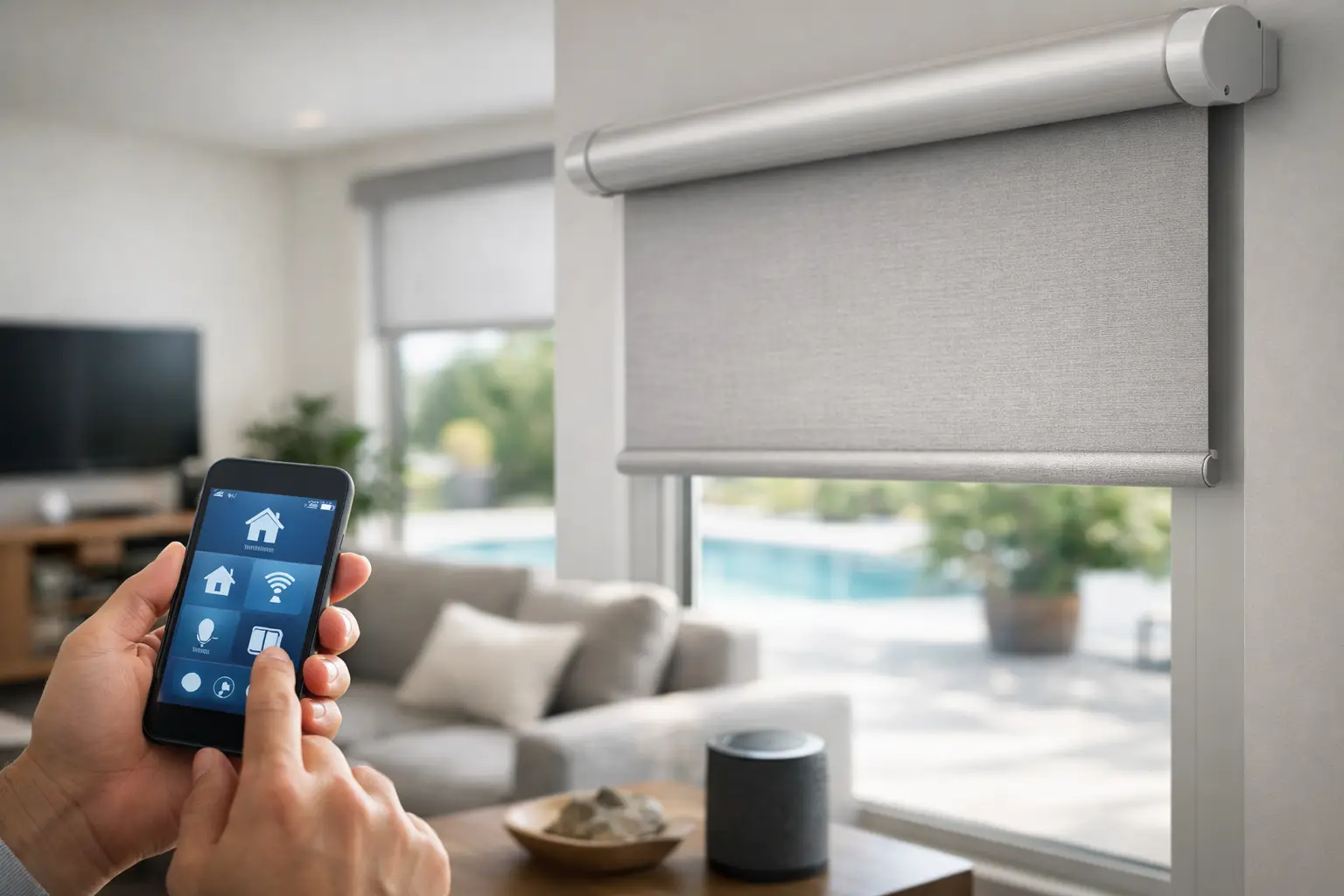
Motorized Shades for Smart Home Projects
You notice window treatments most when they are not doing enough. Afternoon glare hits the television, west-facing rooms overheat, bedrooms brighten too early, and tall windows stay half-covered because adjusting them is a chore. Motorized shades for smart home projects solve those daily frustrations in a way that feels both practical and polished. They are not just a tech upgrade. They are a better way to manage light, privacy, energy use, and the overall feel of a room.
For homeowners, designers, and builders, the appeal is straightforward. A motorized shade can rise on a schedule, lower when the sun is strongest, and coordinate with the rest of the home’s automation system. But the right result depends on more than adding a motor to any shade. Fabric, control method, window size, power source, and room use all affect performance. That is where product knowledge matters.
Why motorized shades for smart home spaces make sense
The strongest case for motorization is not novelty. It is consistency. In rooms with changing sunlight throughout the day, manual shades usually stay in one position because no one wants to keep adjusting them. A motorized system fixes that by making movement effortless and repeatable.
This is especially valuable in large living areas, primary bedrooms, media rooms, and homes with oversized or hard-to-reach windows. In a two-story foyer or a wall of glass facing the backyard, convenience quickly becomes necessity. The same goes for condos with strong sun exposure, where glare and heat gain can shift dramatically by the hour.
There is also a design benefit that often gets overlooked. Motorization helps window treatments look more intentional because shades stop at consistent heights and move smoothly. In a finished interior, that precision matters. When paired with well-chosen fabrics and clean hardware, the result feels tailored rather than improvised.
What to choose before you choose a motor
A smart shade system starts with the shade itself. Roller shades are one of the most common choices because they fit modern interiors, work well in wide openings, and come in a broad range of light-filtering and blackout fabrics. They are a strong fit for family rooms, bedrooms, offices, and condos where clean lines matter.
Honeycomb shades are another strong option when energy efficiency is a priority. Their cellular construction can help with insulation, which makes them especially useful in bedrooms and street-facing rooms where comfort and privacy both matter. Roman shades bring a softer, more decorative look, often preferred in dining rooms, sitting rooms, or layered interiors where texture plays a bigger role.
The point is simple: automation improves function, but the shade style still needs to match the room. A blackout motorized shade in a bedroom solves a different problem than a light-filtering solar shade in a sunroom. One is built for sleep and privacy. The other is built to reduce glare while preserving the view.
Light control is not one-size-fits-all
This is where many projects become too generic. People ask for motorized shades when what they really need is a better light-control plan. The fabric openness, opacity, and color all change the outcome.
In a media room, a true blackout fabric may be the right move. In a kitchen or living room, that same fabric can feel too heavy for daytime use. A solar screen fabric may be better for reducing glare without making the room feel closed off. In bedrooms, dual-shade systems can be worth considering because they allow a lighter daytime shade and a room-darkening option at night.
That is also why brand and product range matter. Different manufacturers offer different cassette styles, hem bars, control systems, and fabric collections. When a project needs to balance design and automation, access to more than one product line gives you better answers.
Power, controls, and integration options
Not every motorized shade system is wired the same way, and that choice affects both installation and long-term use. Battery-powered shades are popular for retrofit projects because they reduce the need for new wiring and can be a practical solution in finished homes. Rechargeable systems are often a good fit for standard-size windows where regular access for maintenance is manageable.
Hardwired shades tend to make more sense in new construction, major renovations, or larger whole-home projects. They can support frequent daily use without battery maintenance and are often preferred in high-window-count installations. For builders and designers planning early enough in the process, hardwiring creates a cleaner infrastructure for automation.
Control options vary as well. Some clients want simple wall switches and handheld remotes. Others want full integration with their smart home platform so shades can respond to schedules, scenes, and voice commands. Systems from brands such as Lutron, Somfy, Hunter Douglas, Graber, and Alta each offer different advantages depending on the scale of the project and the desired level of control.
Smart features that actually improve daily use
The best automation features are the ones you stop noticing because they quietly make the room work better. Scheduled operation is one of the most useful. Shades can lower during peak afternoon sun, rise in the morning, or close in the evening for privacy.
Scene control is another practical option. In an open-concept main floor, one setting can lower several shades at once for movie time or reduce glare during dinner. Some systems also allow sun and temperature response, though whether that is worth adding depends on the home, budget, and how hands-off the client wants the experience to be.
Where motorized shades work best
Some rooms show the value of automation immediately. Bedrooms are high on that list because daily routines are predictable and light control matters. Living rooms and family rooms also benefit, especially when there are multiple windows to manage or direct sunlight affects comfort and television viewing.
Home offices deserve more attention than they usually get. Glare on screens can make a beautiful room hard to use, and a motorized shade allows quick adjustment without breaking workflow. In dining rooms and kitchens, the benefit is often less about privacy and more about balancing natural light during different parts of the day.
For sliding doors, wide window walls, and large contemporary openings, motorization can shift from convenience to essential functionality. Manual operation on larger shades can be less elegant, more difficult to use, and harder to keep consistent across the room.
Design considerations that separate a good result from a great one
A smart shade should still look like it belongs in the room. That means proportion, fabric selection, and mounting details deserve as much attention as the motor. Fascias and cassettes can be minimal or more architectural. Fabric texture can either blend into the wall color or become a subtle design feature.
In custom interiors, layering is often the better solution. Motorized roller shades can provide light control and privacy, while stationary drapery panels soften the room and add depth. This combination works especially well in bedrooms, living rooms, and primary suites where clients want both function and a finished look.
Trade-offs are real, and this is where consultation helps. The thinnest, cleanest profile may not offer the same blackout performance as a more enclosed system. A battery-powered solution may simplify installation but require occasional charging. A low-opacity fabric may preserve view better while sacrificing privacy at night. Good specification means deciding which benefits matter most in that room.
Measuring and planning matter more than most buyers expect
Motorized shades are custom products, and precision matters. Window width, recess depth, trim details, and mounting surface all affect what can be installed and how it will look. This becomes even more important when aligning multiple shades across a wall or coordinating window coverings throughout a full home.
Planning should also account for control location, access to power, and how the shades will be used daily. A builder may need wiring specs early. A homeowner replacing existing treatments may need to decide whether battery, plug-in, or hardwired operation makes the most sense. A designer may need fabric samples in the room before finalizing the selection.
That is why showroom guidance and project-based quoting are valuable. At Window Fashions Depot, clients can compare styles, fabrics, and automation systems across leading brands, then narrow the field based on room function, design goals, and installation conditions.
Are motorized shades worth it?
If the question is whether they make a visible difference in daily comfort and usability, the answer is usually yes. If the question is whether every window in every room needs them, that depends. Some clients automate the most-used spaces first and add more later. Others build a full-home system from the start because consistency, resale appeal, and integrated control are part of the plan.
The strongest motorized shade projects are not built around gadgets. They are built around better living spaces – cooler rooms, easier privacy, cleaner lines, and light that responds to the way the home is actually used. When the shades are specified well, the technology fades into the background and the room simply works better.