
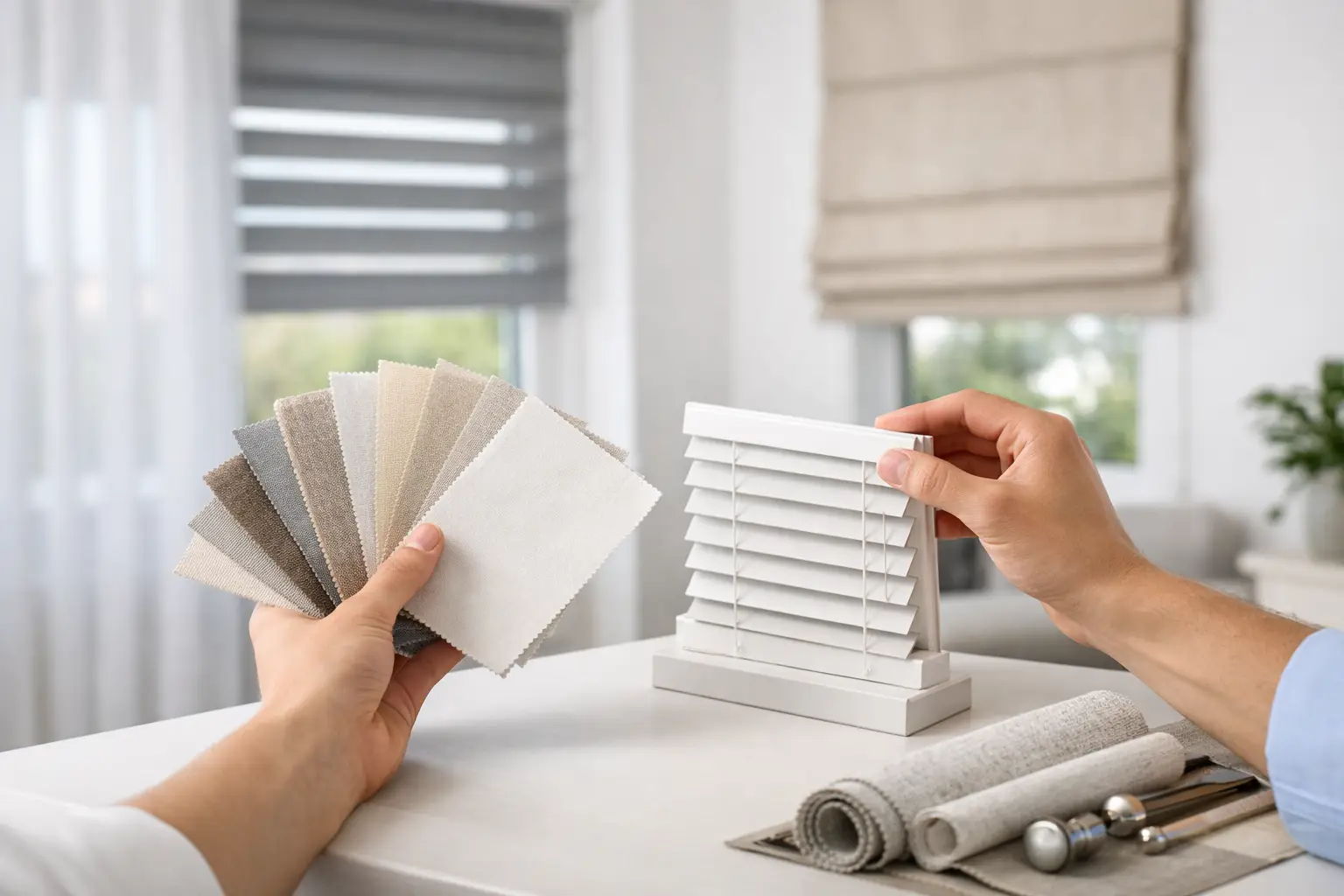
How to Choose Window Coverings Right
A window can make a room feel bright, open, and finished – or leave it exposed, overheated, and visually incomplete. That is why so many homeowners and design professionals ask the same question: how to choose window coverings that actually work for the room, not just look good in a sample book.
The right answer starts with function before fabric. Window coverings affect privacy, glare, insulation, daily convenience, and the way colors and materials read throughout a space. In a condo living room, that might mean controlling harsh afternoon sun without losing the view. In a bedroom, it usually means better light blocking and more privacy. In a kitchen or bathroom, moisture resistance and easy maintenance matter just as much as style.
How to Choose Window Coverings by Room Needs
One of the most common mistakes is trying to use the same product everywhere. A full-home project looks more cohesive when the palette is coordinated, but each room still has different demands.
Living rooms usually need balance. You may want filtered natural light during the day, privacy in the evening, and a finished look that works with seating, flooring, and wall color. Roller shades, Roman shades, woven woods, and drapery panels are all strong candidates here, but they create very different effects. A clean roller shade feels architectural and minimal. A Roman shade adds softness and a more decorative line. Woven woods introduce texture and warmth, while drapery can frame the room and add fullness.
Bedrooms are less forgiving. If sleep quality is a priority, sheer products alone rarely do enough. Blackout roller shades, room-darkening cellular shades, lined Roman shades, or layered treatments tend to perform better. Layering is especially useful when you want softness without sacrificing function. For example, a blackout shade paired with decorative drapery gives you nighttime darkness and a more complete design statement.
Bathrooms and kitchens call for practical materials. Faux wood blinds, shutters, and certain shades designed for humidity hold up better than delicate fabrics. If the window is close to a sink, tub, or cooking area, ease of cleaning should carry real weight in the decision.
Large patio doors, sliders, and expansive windows need another level of planning. Vertical blinds, panel track systems, drapery, and wider-format shades can all work, but operation matters. A product that looks elegant on a standard window may feel awkward or heavy on a broad opening used every day.
Start With the Four Main Priorities
If you are unsure how to narrow the field, focus on four factors: privacy, light control, insulation, and style. Most products do not lead equally in all four categories, so trade-offs are part of the process.
Privacy sounds straightforward, but it changes by time of day and by location. A front-facing room in a dense neighborhood needs more privacy than a second-story family room. Sheer shades can be beautiful in daylight, yet at night they may not provide the level of coverage many homeowners expect. If privacy is non-negotiable, look closely at opacity, liner options, and how much edge gap a product will have when installed.
Light control is just as nuanced. Some people want bright, diffused daylight without glare on screens. Others want near blackout. Solar shades, for example, can reduce glare and preserve outward views, which makes them ideal for media rooms, offices, and sunny living spaces. But they are not blackout shades. Honeycomb shades can offer better insulation and a softer filtered light, while shutters and blinds allow adjustable louvers for more precise control.
Insulation matters more than many buyers realize. Cellular shades are especially strong here because their honeycomb structure helps reduce heat gain and heat loss. In rooms with large windows or draft-prone openings, that can improve comfort and energy performance. This is often a smart place to invest in custom-fit products instead of choosing a one-size-fits-most solution.
Style is where product selection becomes more personal. The visual difference between tailored roller shades, traditional wood blinds, contemporary banded shades, and full drapery is significant. Your window coverings should relate to the architecture of the home, the scale of the room, and the furnishings already in place. A sleek condo with low-profile trim may call for streamlined shades. A more classic interior may benefit from shutters, Romans, or layered drapery.
How to Choose Window Coverings That Match Your Design
A good window treatment should feel intentional, not added at the end. That means paying attention to texture, stack, hardware visibility, and proportion.
If the room already has strong patterns in rugs, wallpaper, or upholstery, a simpler shade often creates the best balance. If the room feels flat or lacks warmth, texture can do a lot of the heavy lifting. Woven woods, linen-look Romans, and drapery fabrics can add dimension without overwhelming the space.
Color selection is also more strategic than it appears in a swatch. White is not one white. Warm whites, cool whites, soft grays, natural wood tones, and matte black details can all shift the feel of a room. The goal is not always to match trim exactly. Sometimes the better move is to coordinate with flooring, cabinetry, or the dominant upholstery tone so the treatment feels integrated.
Then there is visual weight. A bold plantation shutter makes a stronger architectural statement than a recessed roller shade. Floor-length drapery adds presence and softness, while inside-mounted shades tend to read cleaner and more modern. Neither approach is better in every room. It depends on whether you want the window treatment to stand out or quietly support the rest of the design.
Understand the Product Categories Before You Commit
Blinds, shades, shutters, and drapery are often grouped together, but they solve different problems.
Blinds have slats that tilt, which gives you flexible light control. Wood and faux wood blinds remain popular for their familiar look and adjustability. They are practical, but they also have more visible lines and a more structured appearance.
Shades are made from a continuous material rather than slats. That includes roller shades, Roman shades, honeycomb shades, solar shades, and more. They generally offer a cleaner silhouette and a wide range of fabrics, textures, and opacities.
Shutters are more architectural and often viewed as a long-term design upgrade. They suit many traditional and transitional interiors and can add value, but they are also a more committed visual choice.
Drapery and side panels bring softness, scale, and decorative impact. They also layer well with shades or blinds when you need both function and a finished look.
This is where a consultative approach matters. The best option is not the product with the most features. It is the one that fits the window, the room, and the daily routine.
Do Not Overlook Operation and Automation
A beautiful treatment can become frustrating if it is inconvenient to use. This is especially true for tall windows, hard-to-reach areas, wide openings, nurseries, and homes with multiple treatments operating together.
Cordless systems are a strong choice for a cleaner look and easier day-to-day use. Motorization adds another level of convenience, especially when managing glare, privacy, or sun exposure throughout the day. It also makes sense for whole-home planning, where several rooms benefit from coordinated operation.
Smart shading is no longer limited to luxury projects. Automated systems can support comfort, energy efficiency, and routine. If a room gets intense afternoon heat, scheduling shades to lower before the sun peaks can make the space more usable. If privacy matters after dark, automation can handle that without requiring you to adjust every window manually.
Measure Carefully, Because Fit Changes Everything
Even the best product underperforms if the fit is wrong. Inside mount versus outside mount affects not only appearance, but also light gap, privacy, and overall function.
Inside mounts look tailored and keep the treatment within the frame, but they require enough depth and a reasonably square opening. Outside mounts can make a window appear larger and improve light blocking, especially in bedrooms. They are also useful when the frame is shallow or when covering less attractive trim.
This is one of the strongest arguments for custom specification. Precise measurement, product knowledge, and installation planning reduce the risk of ordering something that looks right online but functions poorly in the actual space.
When Professional Guidance Makes the Decision Easier
If you are comparing five products and none feels clearly right, that usually means the decision needs more context, not more guessing. Fabric opacity, window orientation, mounting depth, operating system, and room use all influence the outcome.
A showroom-based process can help you compare real materials, see lift systems in person, and understand how different brands and custom options perform. For homeowners, that avoids expensive trial and error. For designers and builders, it helps align aesthetics with specification and installation realities.
At Window Fashions Depot, many clients start with a broad idea – something clean, something warm, something motorized – and narrow it down once they see how the products differ in scale, texture, and function. That is usually when the right choice becomes much more obvious.
The best window covering is rarely the trendiest one. It is the one that suits the light, supports the way you live, and still looks right long after the room is finished.