
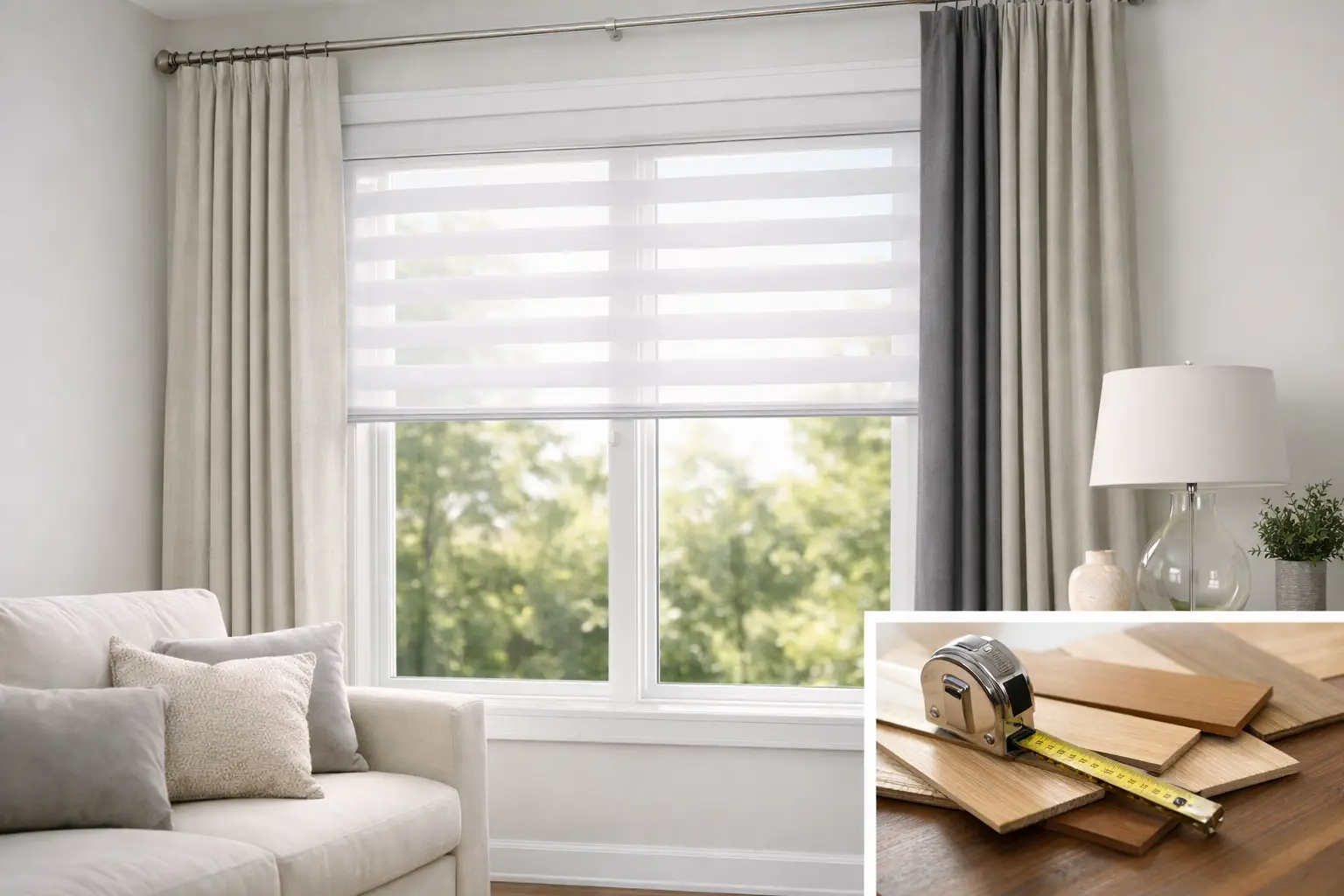
Custom Window Treatments That Actually Fit
A shade that looks perfect in a showroom can feel completely wrong once it meets your windows. The light is harsher than expected, the street-facing room needs more privacy, the trim is deeper or shallower than average, and suddenly an off-the-shelf option starts looking like a compromise. That is exactly where custom window treatments make the difference. They are not just made to your measurements. They are specified around how you live, how the room performs, and how you want the finished space to feel.
For homeowners, designers, and builders, that distinction matters. A custom solution can solve glare in a condo living room, soften acoustics in a bedroom, protect furnishings from UV exposure, and still support a clean, design-forward look. It can also coordinate across an entire home, even when the windows themselves vary widely in size, shape, and exposure.
Why custom window treatments outperform ready-made options
The first advantage is fit, but fit is only the beginning. A properly measured treatment sits correctly within or above the window opening, stacks the way it should, and delivers more reliable light control. On a wide patio door, that can mean smoother operation and better coverage. On a narrow bathroom window, it can mean preserving privacy without making the space feel closed in.
Material quality is another major factor. Custom programs typically offer broader fabric selections, better hardware, more refined finishing details, and control options that are built for repeated use. That matters in high-traffic areas like kitchens, family rooms, and sliding doors where a bargain product may show wear quickly.
Then there is coordination. In a full-home project, custom allows you to carry a consistent design language from room to room while adjusting function where needed. A woven wood shade in the dining room can relate beautifully to blackout-lined drapery in the bedroom and a solar roller shade in the office, even though each space has different priorities.
Choosing custom window treatments by room
The right product is usually less about what is trending and more about what the room needs every day. Living rooms often benefit from layered solutions. A shade handles privacy and daytime light control, while side panels or drapery add softness, scale, and a more finished appearance. If the room gets strong afternoon sun, solar or light-filtering roller shades can cut glare without fully blocking the view.
Bedrooms tend to call for more control. Blackout shades, room-darkening Roman shades, or lined drapery can all work well, but the best choice depends on the window, the décor, and how dark the room needs to be. If sleep quality is a priority, side channels, liner choices, and installation details matter more than many buyers realize.
Kitchens and bathrooms require a different filter. Moisture resistance, easy cleaning, and compact operation often matter more than softness or dramatic folds. Faux wood blinds, shutters, and certain performance shades can be strong options because they stand up better in humid conditions and still look polished.
Home offices have become one of the most function-driven spaces in the house. Screen visibility, daylight balance, and background appearance for video calls all matter. Solar shades are often a strong fit here because they reduce glare while maintaining a more open feel than blackout products.
Large windows and patio doors deserve special attention. Width, weight, and traffic flow can rule out products that might work elsewhere. Vertical systems, panel tracks, drapery, and motorized shades each have strengths, but the right answer depends on clearance, stacking space, and how often the opening is used.
The main product categories and where they fit best
Roller shades remain one of the most versatile choices in the category. They suit modern, transitional, and even more traditional interiors depending on fabric and hardware selection. They can be minimal and quiet visually, or they can become a design feature through texture, banding, fascia, and layered drapery.
Roman shades bring more softness and decorative presence. They are often selected when the window treatment should feel more integrated with furniture and textiles in the room. The trade-off is that fabric style, stack height, and maintenance need to be considered carefully, especially on larger windows.
Honeycomb shades are known for energy efficiency and a clean profile. They can be especially useful in bedrooms, family rooms, and spaces where insulation and comfort are priorities. Their tailored look works well in contemporary interiors, but fabric selection still matters if the goal is warmth rather than strict minimalism.
Blinds continue to serve a practical role, especially where adjustable louvers are useful. Wood and faux wood blinds offer a familiar look and reliable light control, while vertical blinds remain relevant for certain patio doors and large expanses of glass. The best custom blind installations avoid the flimsy appearance that gives lower-end versions a bad reputation.
Shutters have strong architectural appeal and long-term durability. They can elevate traditional homes, add structure to transitional spaces, and provide excellent privacy control. They are also one of the more permanent-looking choices, which is a benefit for some projects and a limitation for others.
Drapery is often misunderstood as purely decorative. In reality, it can improve acoustics, add insulation, frame difficult windows, and bring scale to rooms that feel visually flat. With the right pleat style, fabric, and hardware, drapery can be tailored and contemporary rather than formal.
Design matters, but performance usually decides the final choice
A beautiful fabric is not enough if the room overheats every afternoon. In the same way, a highly functional shade may still be the wrong answer if it leaves the space looking unfinished. The best custom window treatments solve both sides of the equation.
Light control is usually the first performance issue buyers notice. Do you want filtered daylight, near blackout, or full visibility with glare reduction? Privacy is the next layer. A fabric that looks opaque at noon may read differently at night with interior lights on. This is where expert specification matters, especially in urban settings and homes with close neighboring windows.
Energy management can also influence the decision. Cellular shades, lined drapery, shutters, and certain screen fabrics can all support a more comfortable interior, but they do so in different ways. Exposure, window size, and seasonality all play a role. South-facing glass may call for one strategy, while a drafty bedroom may call for another.
Motorization is no longer just a luxury add-on
Motorized custom window treatments have moved into the mainstream because they solve real daily problems. Hard-to-reach windows, large shade bands, and multi-window rooms are simply easier to manage with automation. It also brings a cleaner finish because there are no dangling cords and fewer visible control elements.
For design professionals and homeowners planning a broader smart-home system, motorization adds another layer of value. Timed schedules can help manage heat gain, improve privacy in the evening, and make large homes more efficient to operate. Battery-powered systems can work well in many retrofit situations, while wired solutions may make more sense during new construction or major renovation.
The key is choosing a system that matches the project, not just the trend. Quiet operation, dependable controls, and brand compatibility matter more than novelty.
What a good custom process should include
A strong custom project starts with better questions. How does the room face? What is the privacy concern after dark? Is the client trying to preserve a view, hide an awkward frame, coordinate with millwork, or child-proof the space? Product selection gets much easier once those answers are clear.
Measurement is equally critical. This is where many DIY installations fall short, particularly with inside mounts, uneven frames, extra-deep sills, or large openings. A good specification process also accounts for stack height, hardware clearance, liner bulk, and how far the treatment projects into the room.
Samples should be reviewed in the actual space whenever possible. Light changes fabric dramatically, and a material that feels perfect under showroom lighting can read too cool, too reflective, or too heavy at home. For larger or design-led projects, it is worth comparing a few coordinated options rather than selecting in isolation.
For homeowners and trade professionals alike, working with a full-service source can simplify the process considerably. Window Fashions Depot, for example, brings together shades, blinds, shutters, drapery, screens, awnings, and motorization options under one roof, which helps when a single project includes very different room conditions and style requirements.
When custom is worth the investment
Not every window needs the most premium specification. A secondary basement room may call for a simpler approach than a front living room or primary bedroom. But custom tends to pay off where fit, performance, and visual impact really matter – large windows, street-facing rooms, unusual openings, and spaces where the treatment is a major part of the design.
It is also worth the investment when you want consistency across a home. Matching finishes, aligning shade heights, coordinating fabric families, and integrating controls all create a more intentional result. That is hard to achieve with a patchwork of ready-made products sourced one room at a time.
The smartest approach is usually not choosing the most expensive option. It is choosing the right specification for each room while keeping the whole home in view. When custom window treatments are selected that way, they stop feeling like accessories and start working like part of the architecture. If you are comparing options, start with the windows that frustrate you the most. They usually tell you exactly where customization will matter most.