
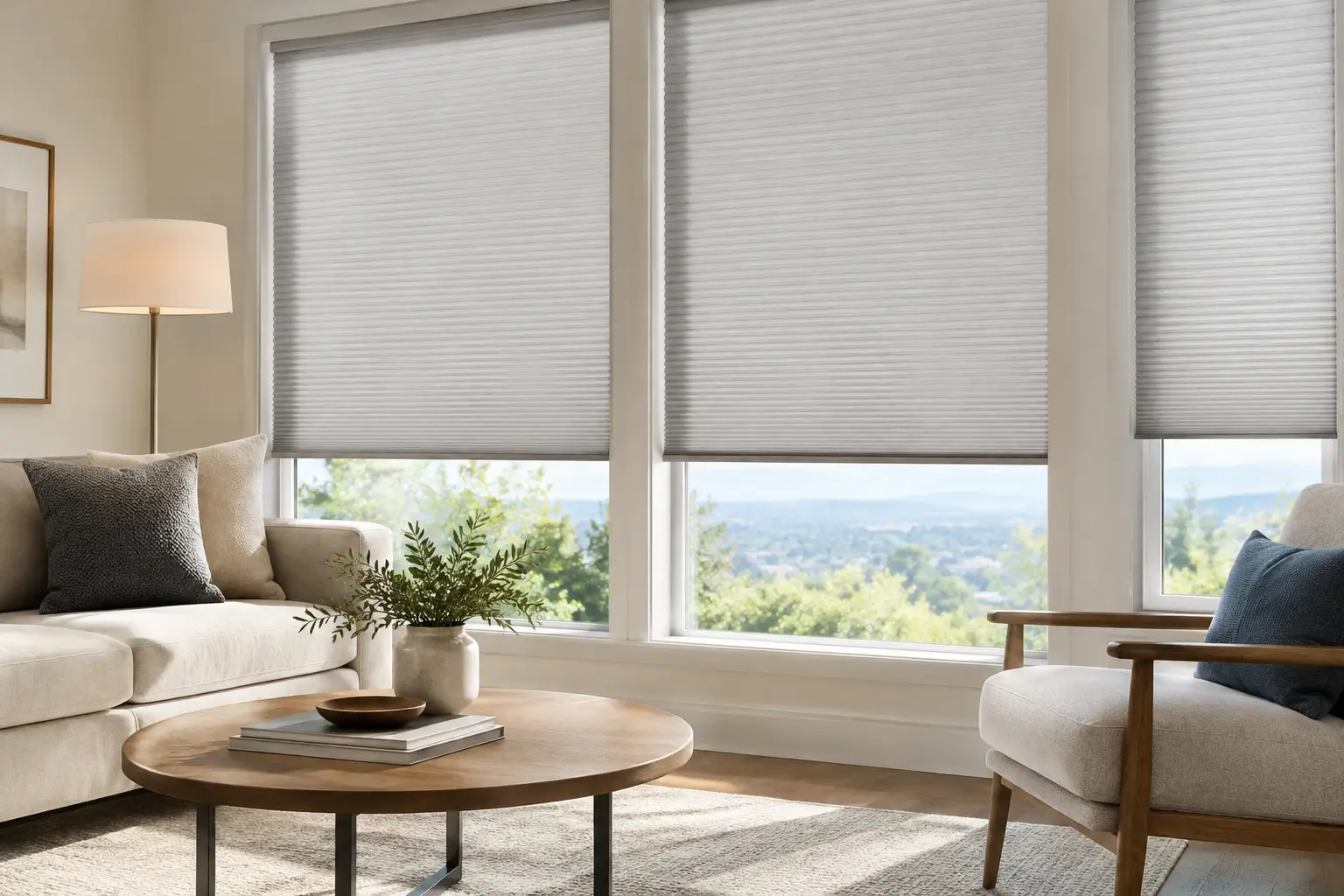
Graber Cellular Shades Review for Modern Homes
A window can be the most beautiful architectural feature in a room and its biggest source of glare, heat loss, and privacy concerns. This Graber cellular shades review looks at why the brand remains a strong custom option for homeowners who want a cleaner look than traditional blinds without giving up practical performance.
Graber cellular shades are not a one-size-fits-all purchase. Their value comes from specifying the right cell construction, fabric opacity, operating system, and fit for the window. For bedrooms, a room-darkening fabric and side-light considerations matter most. For a sunny living room, diffuse light and insulation may be the priority. The right selection can feel understated while working hard every day.
What Makes Graber Cellular Shades Different?
Cellular shades, often called honeycomb shades, use pleated fabric that creates air pockets between the room and the glass. Those pockets help slow heat transfer, making cellular shades one of the more practical interior shading choices for windows that feel cold in winter or hot in direct sun.
Graber brings meaningful flexibility to that basic concept. The line is available in a broad range of colors, textures, cell sizes, and light-control levels, allowing the shade to work with contemporary, transitional, and more traditional interiors. Rather than looking like a purely functional energy-saving product, the better fabric choices can read as a deliberate soft furnishing.
Custom sizing is another reason buyers consider Graber instead of an off-the-shelf cellular shade. Properly specified shades fit more cleanly within a window opening, cover the glass appropriately, and operate with less visual distraction. This is especially valuable for large banks of windows, narrow sidelight windows, and rooms where inconsistent ready-made treatments would stand out.
Graber Cellular Shades Review: Performance by Priority
The most useful way to evaluate Graber cellular shades is to start with the problem you want the shade to solve. They perform well across several categories, but no single fabric or configuration delivers maximum privacy, blackout conditions, view-through, and soft daylight at the same time.
Insulation and energy comfort
The cellular structure is the headline feature. A well-fitted shade creates an insulating layer that can make rooms near glass feel more comfortable, particularly on large windows and in spaces with strong seasonal temperature swings. Double-cell constructions generally provide greater insulating potential than single-cell options, although they can create a slightly more substantial appearance at the window.
This benefit is real, but expectations should be sensible. Cellular shades support a more comfortable interior; they do not replace efficient glazing, address air leaks around a window frame, or solve an HVAC issue. They are most compelling when paired with a thoughtfully designed window and used consistently during periods of intense sun or cold weather.
Light filtering, privacy, and room darkening
Graber offers fabrics ranging from light filtering to room darkening. Light-filtering options soften daylight and reduce harsh glare while preserving a bright, open feeling. They are often an excellent choice for living rooms, home offices, kitchens, and open-concept spaces where daylight is welcome but unfiltered sun is not.
Room-darkening cellular shades are better suited to bedrooms, nurseries, media rooms, and windows facing close neighbors. They significantly reduce incoming light, but buyers should understand the distinction between room darkening and complete blackout. Light can still appear around the edges of an inside-mounted shade, particularly when the window opening is not perfectly square or when daylight is strong.
For clients who need the darkest possible room, a professional consultation should include side gaps, mounting style, and whether a layered treatment is appropriate. Drapery panels or a carefully planned secondary covering can improve light control while adding softness and visual scale.
Appearance and fabric selection
Graber cellular shades have a naturally tailored, low-profile appearance. When raised, they stack into a compact profile compared with many Roman shades or horizontal blinds. When lowered, the fabric delivers a smooth, quiet field of color that does not compete with furnishings.
The trade-off is that cellular shades are not designed to preserve an outdoor view when down. Unlike a solar roller shade, they provide filtered light or privacy rather than visual connection through the fabric. In a room with a prized city, garden, or water view, homeowners often prefer cellular shades for bedrooms and secondary windows while choosing a solar shade or drapery strategy in main entertaining spaces.
Neutral shades remain the most versatile choice for long-term interiors, but texture can make a larger difference than many buyers expect. A soft woven look adds warmth to pale walls and natural wood finishes. A crisper, more uniform fabric supports minimalist spaces, especially when multiple windows need to look coordinated.
Lift Systems and Everyday Use
A shade can have the right fabric and still be frustrating if the lift system does not fit the household. Graber cellular shades can be specified with cordless and motorized control options, depending on the collection and size requirements. Cordless operation creates a cleaner appearance and is a practical choice for homes with children or pets.
Motorization deserves serious consideration for tall windows, hard-to-reach windows, and rooms with several shades operated at the same time. It is also a convenience upgrade for bedrooms, where scheduled opening and closing can support privacy and morning light routines. Available control methods and smart-home compatibility can vary by product and motor selection, so this is an area where confirming the exact specification matters.
Manual cordless shades remain a sensible, cost-conscious choice for standard windows that are easy to reach. They keep the design simple and avoid adding technology where it is not needed. On the other hand, manually adjusting six or eight shades across a sunny great room can quickly become a chore. The best operating system is the one the household will actually use.
Where These Shades Work Best
Graber cellular shades are particularly well suited to bedrooms, nurseries, home offices, condos with close sightlines, and family rooms with large expanses of glass. Their clean profile also works well in newer homes where trim details are simple and window treatments need to feel intentional without becoming ornamental.
They are less ideal when the central goal is maintaining a view throughout the day. They may also be a less natural fit for highly decorative rooms that call for the texture, folds, and presence of Roman shades or custom drapery. That does not make them a lesser product. It simply means performance-driven shades and decorative fabric treatments serve different roles.
For renovation professionals and designers, cellular shades can be an efficient foundation layer. They solve privacy and thermal comfort close to the glass, while drapery can be added only where the room benefits from extra color, pattern, acoustics, or softness.
What to Confirm Before Ordering
Custom shades reward careful measuring and thoughtful decisions before production begins. Inside mounting gives the most integrated appearance when the window opening has enough depth and is reasonably square. Outside mounting can provide better coverage when openings are shallow, uneven, or when reducing edge light is important.
Also consider obstructions. Window cranks, handles, security sensors, deep trim, and furniture placement can all affect the recommended mount and control choice. Large shades have size limits and may need special planning to maintain smooth operation. A fabric sample is equally valuable because a color that looks warm under showroom lighting may read cooler against a particular wall color and window exposure.
At Window Fashions Depot, a consultation can help narrow these decisions before a custom order is placed. It is an opportunity to compare fabric opacities in person, assess window conditions, and coordinate cellular shades with other treatments across the home.
Graber cellular shades are worth considering when comfort, privacy, and clean design all belong on the same list. The strongest result comes from treating them as a custom architectural finish, not simply as a shade chosen by color from a screen.
0 comments