
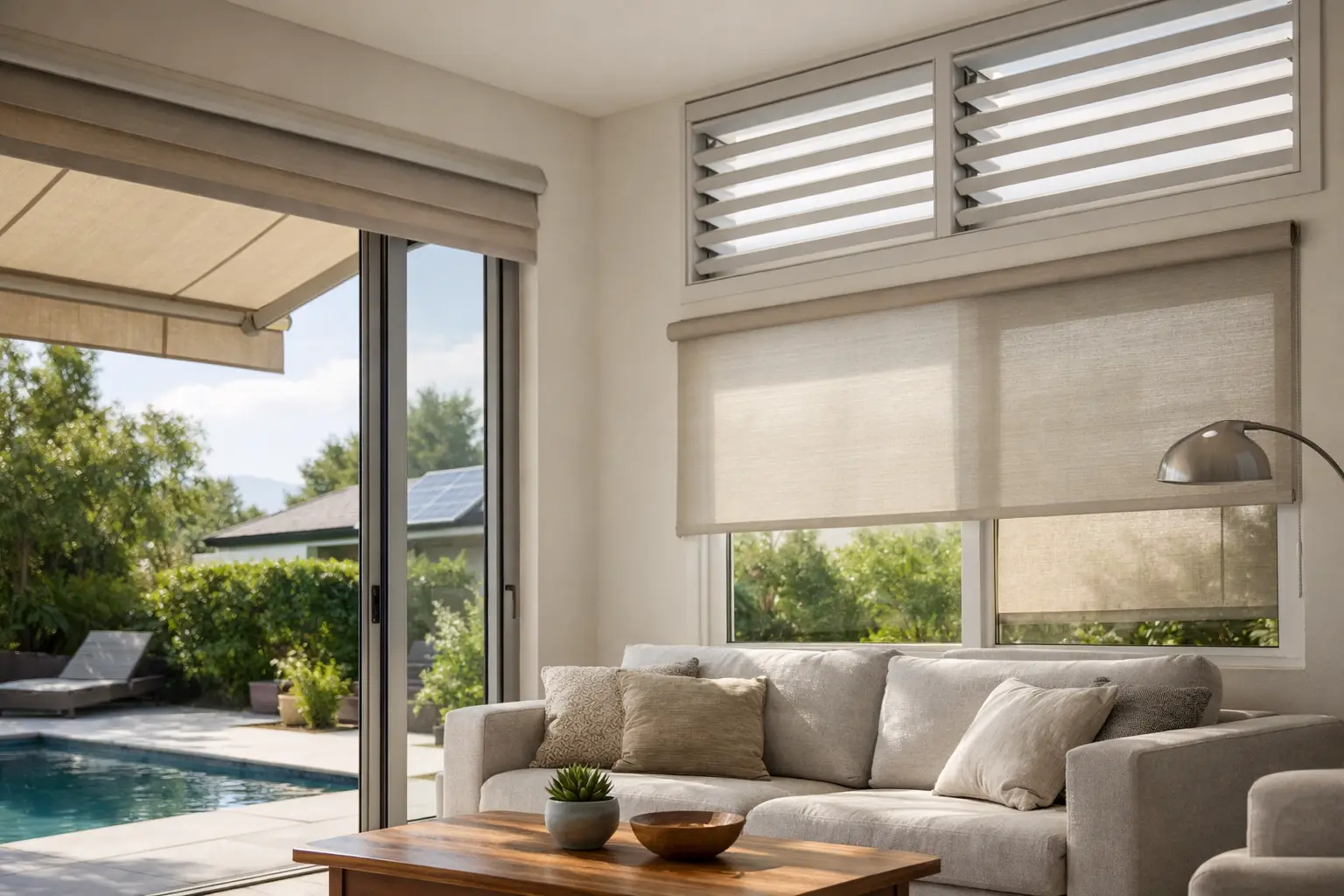
Energy Efficient Shading Trends for Better Homes
A west-facing family room can look beautiful at 10 a.m. and become uncomfortably hot by late afternoon. That daily shift is why energy efficient shading trends are moving beyond basic light blocking. Homeowners, designers, and builders are specifying window treatments that manage solar heat, protect finishes, preserve views, and coordinate with smart-home routines without compromising the room’s design.
The strongest trend is not one fabric, shade type, or automation platform. It is a more intentional approach to the window. The right solution depends on glass size, orientation, insulation level, room use, privacy needs, and whether the goal is summer heat reduction, winter comfort, glare control, or all of the above.
Energy Efficient Shading Trends Shaping Home Design
Cellular shades are becoming more refined
Honeycomb, or cellular, shades remain one of the most effective interior options for improving window insulation. Their pleated cells trap a layer of air between the room and the glass, helping reduce heat loss in colder weather and limiting heat gain during warmer months. For bedrooms, nurseries, home offices, and rooms with older windows, this added insulation can make a meaningful difference in comfort.
What has changed is the design range. Cellular shades are no longer limited to a narrow collection of utilitarian neutrals. Today’s collections include soft textures, tailored pleat sizes, room-darkening fabrics, cordless operation, and top-down/bottom-up configurations. This lets homeowners bring energy performance into a more polished interior scheme.
There are trade-offs. A denser blackout fabric can provide stronger room darkening and privacy, but it may reduce the crispness of an outdoor view. Larger cell sizes can suit expansive windows, while smaller cells often create a cleaner look on standard residential openings. Custom measurement is especially important because perimeter gaps can reduce the shade’s insulating benefit.
Solar shades prioritize glare control and views
Solar roller shades are increasingly popular in open-concept living areas, condos, kitchens, and home offices where daylight and views matter. These fabrics filter sunlight rather than closing a room off from it. Their openness factor determines how much light, view, and heat are allowed through: a lower openness factor generally offers more solar protection and daytime privacy, while a higher openness factor preserves a clearer connection to the exterior.
For large glass walls and rooms exposed to afternoon sun, solar shades can reduce glare on screens and help protect flooring, artwork, and upholstery from UV exposure. They also create a streamlined architectural look, particularly when specified in wide widths or installed within a recessed pocket.
Solar shades are not a complete privacy solution after dark. When interior lights are on, people outside may be able to see in depending on the fabric and conditions. Many homeowners address this by pairing solar rollers with side drapery panels, blackout roller shades, or dual-shade systems that combine a light-filtering front shade with a privacy liner behind it.
Layered window treatments are doing double duty
Layering has become a performance decision as much as a decorating technique. Combining shades with drapery, or a roller shade with side panels, adds visual softness while helping limit drafts around the window. Properly fitted drapery can provide an additional barrier between the glass and the room, especially on large or older windows.
The key is thoughtful specification. A room-darkening roller shade behind lined drapery can support sleep, privacy, and insulation in a primary bedroom. In a living room, a solar shade may handle glare during the day while decorative drapery frames the window and offers a finished look at night. For contemporary spaces, slim roller shades with tailored panels can keep the composition clean rather than overly formal.
Fabric choice still matters. Heavier, lined fabrics can improve insulation, but they require sufficient stack-back space so they do not cover valuable glass when open. Designers should also consider the location of HVAC registers, furniture placement, and door clearance before selecting a full-length treatment.
Smart Shading Moves From Convenience to Performance
Motorized shading is one of the most practical energy-focused upgrades because it removes the need to remember to adjust every shade manually. A well-programmed system can lower shades during intense afternoon sun, raise them to welcome useful daylight, or close bedroom treatments at a scheduled time for privacy and sleep support.
Automation is particularly valuable on tall windows, skylights, hard-to-reach stairwells, and large window groupings. It also helps households use their shading consistently. A beautiful shade does little to manage solar gain if it stays open when the sun is strongest simply because no one is home to lower it.
Current systems from leading manufacturers can be controlled by remotes, wall controls, apps, and compatible smart-home platforms. Battery-powered motorization is often a straightforward choice for existing homes, while hardwired options may suit new construction and major renovations where power planning can be incorporated early.
Automation should be designed around the room, not added as an afterthought. A south-facing great room may benefit from scheduled solar response, while a bedroom may need quiet motors, blackout fabrics, and individual control. The goal is comfortable, predictable light management that feels natural to the people using the space.
Exterior Shading Is Gaining Ground on High-Exposure Glass
Interior treatments manage light after it reaches the glass. Exterior shading can stop a significant amount of solar heat before it enters, which makes it especially useful for patios, sunrooms, oversized windows, and facades with direct exposure.
Retractable awnings, exterior screens, pergola systems, and exterior roller shades are becoming more common where homeowners want to extend outdoor living while reducing indoor heat buildup. Exterior screens can also cut glare and improve daytime privacy without the visual weight of a fixed structure. For patios and large openings, a retractable system offers flexibility: shade when conditions demand it, and open sky when they do not.
These products require a different level of planning than an interior roller shade. Wind exposure, mounting surface, drainage, local conditions, and motorization needs all affect the right specification. A professional site review is worthwhile, particularly for large-format systems or installations on masonry, stucco, and contemporary facades.
Better Fabric Choices Are Supporting Year-Round Comfort
Material selection is becoming more technical, even when the final look is simple. Reflective backing, light-colored fabrics, metallized coatings, and tightly woven textiles can help manage solar heat while maintaining a refined appearance. In a hot, highly exposed room, a pale or reflective street-facing fabric may outperform a dark decorative choice from a heat-control standpoint.
That does not mean every energy-conscious design has to look white or minimal. Woven woods, Roman shades, drapery, shutters, and layered systems can all play a role. The best approach is often to use the product category that suits the architecture and select the lining, opacity, backing, and operating system for the desired performance.
Shutters offer another durable option, particularly where adjustable light control and privacy are priorities. Their louvers can redirect daylight and reduce direct glare, though their energy performance varies by construction, fit, and whether the panels remain closed when temperatures are most extreme. As with any treatment, the installed details matter as much as the product name.
How to Choose a Shading Strategy for Your Home
Start with the exposure, not the color palette. East-facing rooms receive early sun, west-facing rooms often need late-day heat and glare control, and south-facing glass can require ongoing management throughout the day. North-facing windows may need less solar protection but can still benefit from insulation and privacy treatments.
Next, decide what the room must do. A media room needs glare control. A bedroom needs privacy and often room darkening. A kitchen may need easy-clean fabrics and a treatment that stays clear of moisture and work surfaces. A living room with a view may call for solar shades or sheer fabrics rather than opaque coverings.
Finally, consider operation. If a treatment will be adjusted frequently, motorization may improve both convenience and real-world energy performance. If it will remain in one position most of the time, a carefully fitted cellular shade, lined drapery, or shutter may be the more direct investment.
At Window Fashions Depot, a custom consultation can help match the right product, fabric, control option, and installation method to the realities of each window. Bring photos, dimensions, inspiration images, and any concerns about glare, heat, privacy, or automation. The most effective shading plan is one that looks considered in the room and works reliably through every season.