
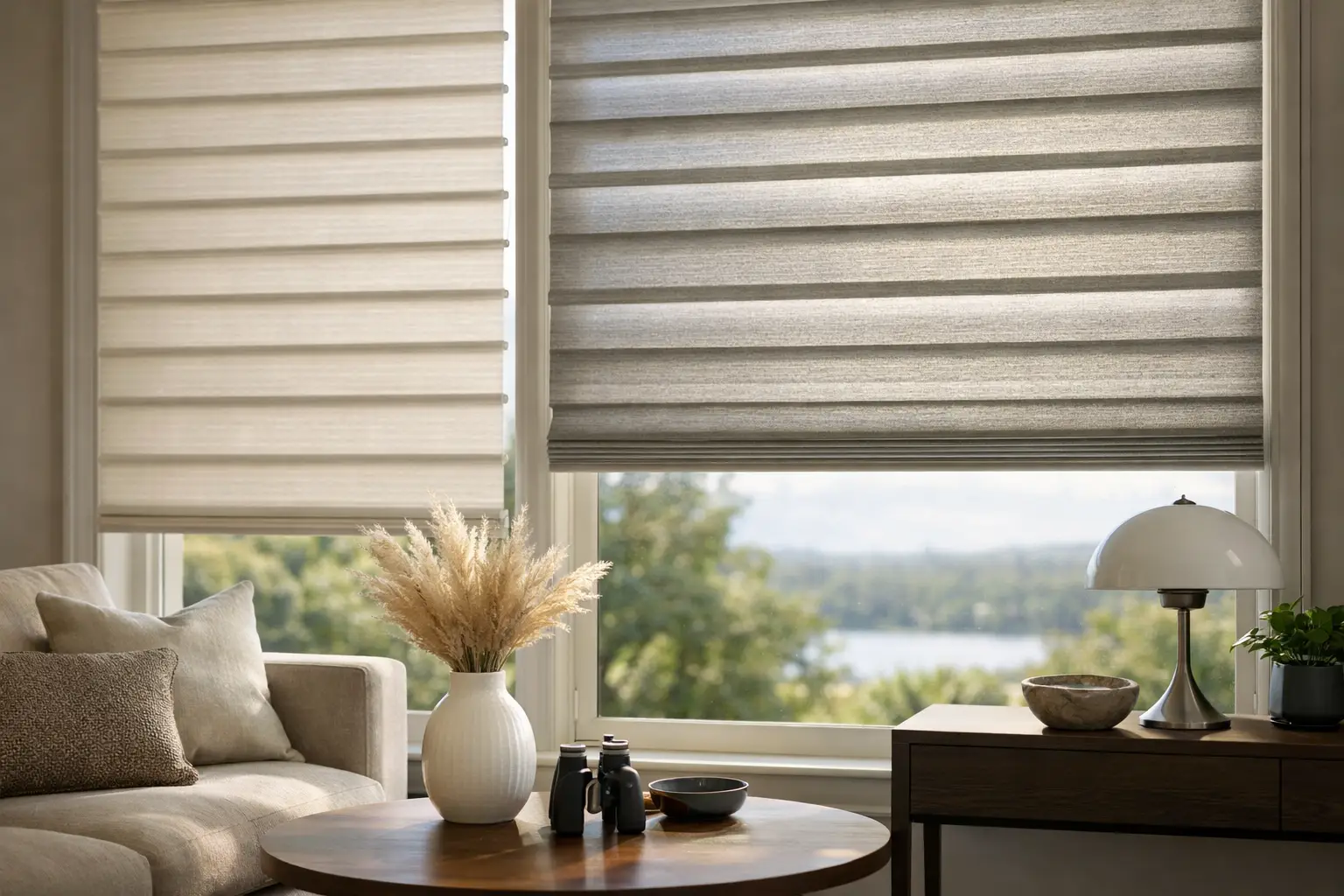
Hunter Douglas Shades Review: Worth It?
You usually feel the difference in Hunter Douglas shades before you can neatly explain it. The fabric hangs cleaner, the hardware feels more deliberate, and the operating systems tend to behave like they belong in a finished home rather than a temporary fix. That is the right place to start a hunter douglas shades review, because this brand is rarely the cheapest option in the room. The real question is whether the performance, customization, and design range justify the premium.
For many homeowners and trade professionals, the answer is yes – but not automatically. Hunter Douglas makes some of the strongest shade systems on the market, especially when you care about precise light control, clean sightlines, and motorization that feels integrated instead of added on. At the same time, value depends heavily on the room, the product line, and how much customization you actually need.
Hunter Douglas shades review: what stands out
The biggest strength of Hunter Douglas is breadth. This is not a one-style brand. It covers honeycomb shades, roller shades, Roman shades, sheers, woven textures, solar screens, and specialty operating systems. That matters because the brand can solve very different problems without forcing one look across the entire home.
In practical terms, a bedroom may need blackout performance, a street-facing living room may need daytime privacy without losing softness, and a large patio door may need a treatment that stacks well and still feels architectural. Hunter Douglas tends to perform well in these mixed-use situations because the collection is built around application-specific solutions rather than one-size-fits-all products.
The second standout is fit and finish. In custom window treatments, small details decide whether a shade looks tailored or merely installed. Fabric alignment, bottom rail proportions, headrail size, vane consistency, and mounting options all affect the final result. Hunter Douglas generally scores high here, especially in homes where the windows are large, numerous, or visually prominent.
Product quality and design range
If you are reviewing Hunter Douglas purely on style, the brand has a clear advantage. The line is broad enough to suit modern condos, transitional family homes, and more traditional interiors without looking dated. That is especially useful for designers and homeowners trying to create continuity across rooms with different lighting and privacy needs.
Their honeycomb options remain a strong category because they combine a clean profile with meaningful energy benefits. In colder climates and homes with large glass expanses, that can be more than a cosmetic upgrade. Their roller shades appeal to buyers who want a simpler, more contemporary look, while the sheer and light-filtering collections serve spaces where softness matters as much as glare control.
The fabrics also tend to look curated rather than random. You are not just choosing between light beige and dark gray. There is usually a better range of textures, opacities, and neutrals that work with real interiors. That may sound minor until you are trying to match flooring, wall tone, trim, and furniture without making the windows feel disconnected.
One trade-off is that more choice can slow the decision process. A large catalog is an asset when you have guidance. It can feel overwhelming when you do not. That is why Hunter Douglas often performs best in a consultative buying process where samples, measurements, and room use are all considered together.
Performance in everyday use
A good-looking shade that operates poorly will lose its appeal quickly. This is an area where Hunter Douglas usually earns its reputation. Manual systems tend to feel refined, and the brand has invested heavily in operating options that reduce visual clutter while improving usability.
The top-down bottom-up configurations are a good example. In the right room, they provide a smarter privacy solution than standard lift-only shades because they let light in from above while limiting direct visibility. For urban homes, closely spaced neighbors, and street-level windows, that flexibility is often more valuable than people expect.
Light control is another strong point, although buyers should be realistic. Light-filtering and room-darkening are not the same thing as total blackout, and performance depends on side gaps, mounting style, and fabric selection. Hunter Douglas offers strong blackout-capable products, but room conditions still matter. If someone needs a near-dark sleep environment, the full system design matters more than the word blackout on a sample card.
Durability is generally very good when the right product is matched to the right opening. That distinction matters. A delicate fabric in a high-traffic family room or a frequently handled shade in a child’s room will age differently than a motorized shade in a formal dining space. The brand offers durable options, but no premium shade is indestructible.
Motorization and smart home appeal
This is one of the strongest reasons to consider the brand. Hunter Douglas motorization is often a worthwhile upgrade for large windows, hard-to-reach openings, media rooms, and full-home projects where convenience matters. It also improves the daily experience in a very practical way. Shades get used more consistently when opening and closing them is easy.
Motorization also helps preserve the appearance of the treatment. Less pulling and handling can mean cleaner operation over time, especially on wider shades. In homes where clean lines are important, avoiding dangling cords and reducing manual wear both support the design.
That said, motorization is not a mandatory upgrade for every room. In a guest room, laundry area, or secondary window with limited use, a manual shade may be the better value. The premium is easier to justify in primary bedrooms, open-concept living areas, and homes where automation is part of a larger lighting or smart-home plan.
For builders and designers, this is where specification matters. Battery-powered, rechargeable, and hardwired decisions should be made early, especially on new construction or major renovations. A strong product can still feel poorly planned if charging access, control strategy, or window grouping is treated as an afterthought.
Is Hunter Douglas worth the price?
A fair hunter douglas shades review has to address price directly. This is a premium brand, and the pricing reflects custom manufacturing, design variety, better hardware, and advanced operating systems. If the goal is simply to cover a window at the lowest cost, there are less expensive paths.
Where Hunter Douglas makes sense is in spaces where the window treatment carries real visual and functional weight. Large front-facing windows, open living areas, primary suites, and homes with automation goals are all good examples. In those environments, better proportions, cleaner operation, and superior fabric selection are easier to see and appreciate.
Where it may be harder to justify is in temporary homes, low-priority rooms, or projects where budget limits are already forcing compromises in more visible finishes. Not every opening needs the highest-tier solution. Sometimes a mixed-brand or mixed-product strategy is the smartest move.
That is also why blanket advice can be misleading. Two buyers can receive very different value from the same brand. One may need advanced privacy control and integrated motorization across a full home. Another may only need a few simple shades in secondary rooms. The right answer depends on how much the shades need to do, not just how much they cost.
Best fit for different rooms
Hunter Douglas tends to shine in bedrooms, living rooms, and media spaces because those rooms benefit most from nuanced light control. Honeycomb and Roman-style products work well in bedrooms when comfort and softness matter. Roller and screen shades often fit contemporary living rooms where clean lines and glare management are priorities.
For large windows and sliding doors, product selection becomes more technical. Scale, stack, and alignment matter more, and this is where professional guidance pays off. The brand has strong options, but the best result depends on matching the operating style to the size and use of the opening.
In kitchens and bathrooms, the decision gets more situational. Moisture, cleaning needs, and privacy all affect product choice. Hunter Douglas has suitable options, but some buyers over-specify these rooms when a simpler treatment would perform just as well.
Who should buy them
If you care about a polished finish, want meaningful fabric and opacity options, or plan to use motorization seriously, Hunter Douglas is worth considering. It is also a strong fit for homeowners who want one brand capable of handling multiple room conditions without creating a disconnected look from space to space.
For designers, builders, and renovation professionals, the brand offers specification depth that supports more tailored results. For homeowners who are less sure what they need, the key is not choosing the most expensive collection by default. It is choosing the product line that actually suits the room, the window, and the way the space is used.
A good shade should disappear into the rhythm of daily life while quietly improving the room every time the light changes. That is where Hunter Douglas often earns its price – not as a status purchase, but as a well-resolved design decision.