
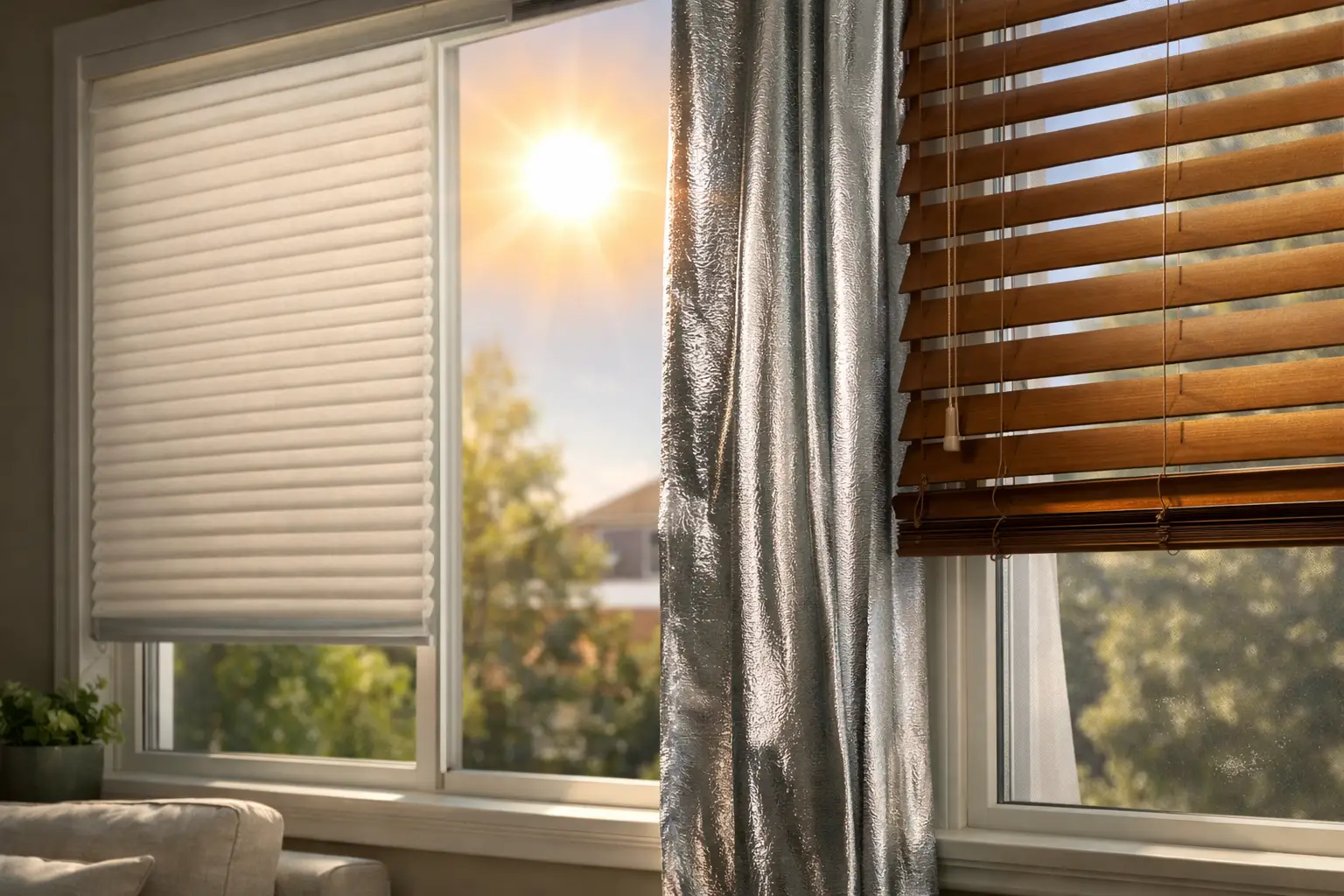
What Window Treatments Block Heat Best?
That west-facing living room looks great at 10 a.m. By 4 p.m., it can feel like a greenhouse. If you are wondering what window treatments block heat, the short answer is this: some options are far better at insulating, reflecting solar gain, or stopping direct sun before it warms the room. The best choice depends on your window size, exposure, design goals, and whether you want a soft fabric look, a clean architectural finish, or smart motorized control.
Heat control is not just about darkening a room. It is about managing how sunlight enters, how much radiant heat reaches interior surfaces, and how much insulation the treatment adds at the glass. That is why two products that look similar from across the room can perform very differently once summer temperatures spike.
What window treatments block heat most effectively?
If heat reduction is the main priority, cellular shades are usually one of the strongest interior options. Their honeycomb-shaped pockets trap air, which helps slow heat transfer at the window. In rooms with strong sun exposure, especially large bedroom or living room windows, that extra insulation can make a noticeable difference in comfort.
Solar shades are another strong performer, but they work differently. Instead of insulating the glass the way honeycomb shades do, they reduce glare and filter sunlight before it floods the room. Openness factor matters here. A tighter weave generally blocks more sun and heat, while a more open weave preserves more view. For homeowners who want a modern look and daytime visibility, solar shades often strike the best balance.
Drapery can also be highly effective, particularly when it is lined and properly sized. Full-length panels mounted high and wide, with enough return to cover the window well, reduce gaps where heat can enter. A decorative drapery treatment with blackout or thermal lining is often chosen when appearance matters just as much as performance.
Interior shutters help as well, especially when fitted closely to the opening. Their solid construction and adjustable louvers give useful control over light and privacy, though their heat-blocking performance depends on material, fit, and how much direct sun the window receives. They tend to appeal to homeowners who want a finished, built-in look rather than a fabric treatment.
For the most demanding exposures, exterior shading often outperforms interior products because it stops the sun before it reaches the glass. Exterior screens, awnings, and solar-control systems can be especially valuable on patios, oversized windows, and highly exposed façades.
Why some treatments perform better than others
Glass is one of the weakest thermal points in a room. Once sunlight passes through it, interior furnishings, flooring, and walls absorb that energy and re-radiate heat back into the space. That is why a room can stay hot even after the blinds are closed too late in the day.
The most effective treatments address heat in one or more of three ways. They reflect solar energy, they absorb and reduce incoming light, or they insulate the window opening. Some products do one of these very well. Others combine two benefits, which is often where the best real-world performance comes from.
That is also why there is no single universal answer. A downtown condo with floor-to-ceiling glass may need solar shades to preserve the view and reduce glare. A primary bedroom may benefit more from blackout cellular shades that improve both sleep and insulation. A formal living room may call for layered drapery over shades to combine softness, coverage, and thermal control.
Best options by product type
Cellular shades
Cellular shades are often the first recommendation when clients ask what window treatments block heat without making the room feel heavy. Their insulating air pockets help reduce heat gain in summer and can also support energy efficiency in cooler months.
Single-cell designs can work well in moderate exposures, while double-cell constructions are often preferred where insulation matters more. Light-filtering fabrics soften daylight, while blackout fabrics offer stronger room darkening and added privacy. For bedrooms, nurseries, and media rooms, this is one of the most functional categories available.
Solar shades
Solar shades are ideal when the goal is to cut glare and heat while maintaining a tailored, contemporary look. They are especially popular in great rooms, condos, offices, and homes with large expanses of glass.
The key specification is the openness factor. Lower openness blocks more UV and heat, but also reduces outward visibility. Darker fabrics can preserve view surprisingly well during the day, while lighter fabrics may blend more softly into the room. This is a classic case of performance versus aesthetics, and the right answer depends on how the room is used.
Roller shades with performance fabrics
Standard roller shades are not always the strongest thermal product, but with the right fabric they can still be very effective. Blackout rollers, reflective backings, and specialized solar-screen materials can all improve heat control.
They are often chosen for their clean profile, wide fabric selection, and compatibility with motorization. In homes where simplicity and smart-home operation matter, a well-specified roller system can be a practical solution, especially when layered with side panels or drapery.
Drapery and side panels
Drapery deserves more credit in heat management than it often gets. Fabric weight, lining, fullness, and installation all affect performance. A decorative panel hung too narrowly will look finished but do little for solar control. A properly designed drapery treatment with thermal or blackout lining can materially improve comfort.
This option is especially useful when clients want a more furnished look or need to soften hard architectural lines. It also layers beautifully over shades, creating a solution that feels design-forward rather than purely utilitarian.
Plantation shutters
Shutters offer a durable, architectural answer for heat, privacy, and light control. They are not always the highest-performing option for insulation compared with premium cellular shades, but they can still reduce direct solar gain effectively when louvers are adjusted well and panels fit tightly.
They tend to work best in spaces where permanence, curb appeal, and easy maintenance matter. Kitchens, street-facing rooms, and traditional interiors are common applications.
Exterior shading systems
When a room gets extreme afternoon sun, exterior products can be the smartest answer. Exterior solar screens, retractable awnings, and other outdoor shading systems stop much of the sun’s energy before it hits the glass.
This can be a major advantage on south- and west-facing windows, patio doors, and large glazed walls. These systems also help protect furnishings from UV exposure and may make adjacent outdoor spaces more usable.
What window treatments block heat in large or sunny rooms?
Large windows need more than a generic off-the-shelf fix. In oversized openings, even small gaps or underperforming fabrics can leave you with hot spots, glare, and inconsistent comfort across the room.
For expansive glass, solar shades and cellular shades are usually the leading interior choices, depending on whether view or insulation comes first. If the room has a strong design focus, layering is often the best route. For example, a solar shade can manage daytime glare while drapery adds softness and extra heat control later in the day.
Motorization becomes especially valuable in these spaces. A treatment only works when it is used consistently, and sun-exposed rooms benefit from scheduled operation. Shades that lower automatically during peak afternoon sun can protect interiors and improve comfort without requiring constant adjustment.
How to choose the right solution for your space
Start with the direction your windows face. West-facing rooms usually struggle most with late-day heat. South-facing rooms may get prolonged sun exposure throughout the day. East-facing rooms can heat up quickly in the morning, while north-facing windows are often less of a heat concern.
Then consider what matters most in that room. If you need insulation and room darkening, cellular shades are often the strongest fit. If preserving view is essential, solar shades may be the better answer. If the room feels too minimal and needs visual softness, drapery can improve both design and performance.
Window size, ceiling height, and mounting conditions also matter. Custom specification is not just about appearance. It affects coverage, light gaps, stack, hardware, and how effectively the treatment actually manages heat.
For designers and builders, this is where product depth makes a difference. The right solution may involve a single treatment, or it may involve combining shades, drapery, and automation to meet both performance and aesthetic goals. Window Fashions Depot works with homeowners and trade clients who need that kind of tailored approach rather than a one-size-fits-all answer.
Price is part of the equation too. The least expensive option is not always the most economical if it underperforms on a window that gets intense sun every day. Better materials, better fit, and better controls often pay back in comfort, longevity, and overall satisfaction.
If a room overheats every summer, it is worth treating the window as a performance issue, not just a decorating decision. The right window treatment should make the space feel better to live in the moment you use it, while still looking like it belongs in the room.