
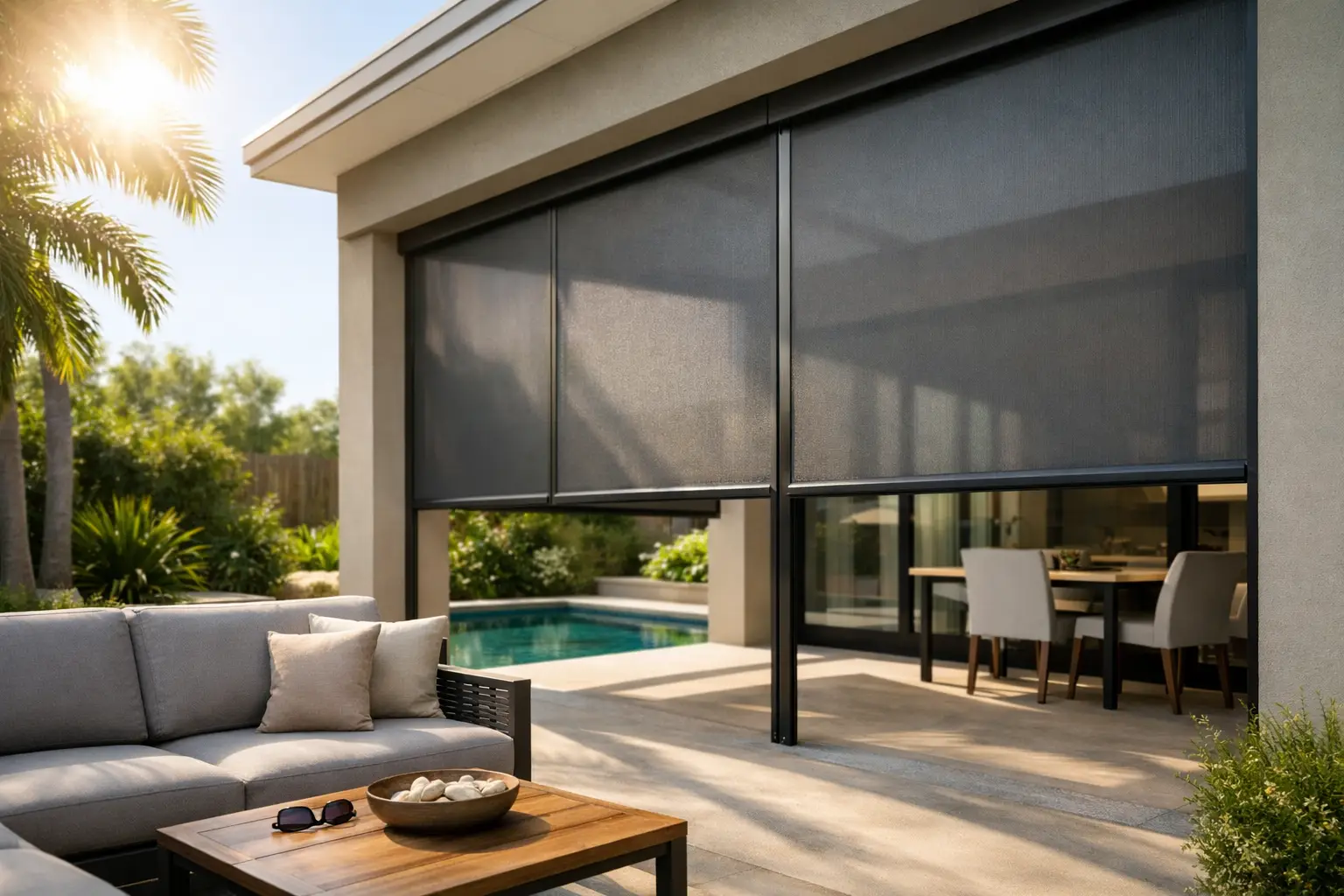
Exterior Screens for Sun Protection That Work
A west-facing room can look perfect on paper and still become the least comfortable space in the house by midafternoon. The problem is rarely the window itself. It is unmanaged solar exposure. That is why exterior screens for sun protection have become a practical upgrade for homeowners, designers, and builders who want cooler interiors, better glare control, and a cleaner exterior look without closing off the home.
Unlike many interior treatments, exterior solar screens stop a meaningful portion of the sun’s heat before it reaches the glass. That difference matters. Once solar gain passes through the window, your interior shades can soften light and add privacy, but they are working after the heat has already entered the space. Exterior systems address the issue earlier, which is why they are often the better choice for patios, large sliders, sunrooms, and expansive modern glazing.
Why exterior screens for sun protection make such a difference
The main advantage is simple – they reduce heat buildup before it moves indoors. In rooms with oversized windows or direct afternoon exposure, that can improve comfort dramatically. It can also ease the strain on cooling systems, especially during long summer stretches.
There is also a strong visual benefit. Harsh sunlight creates glare on televisions, laptops, and polished flooring. In open-concept homes, that glare can make a beautiful room feel difficult to use. Exterior screens filter the light instead of blacking it out completely, so you keep more of the view while making the room livable.
UV protection is another major reason buyers consider these systems. Extended sun exposure can fade wood floors, fabrics, artwork, and rugs over time. If the home includes premium finishes or designer furnishings, solar protection is not just a comfort feature. It is part of preserving the investment.
Where these systems work best
Exterior screens are not only for dramatic custom homes. They make sense anywhere sun exposure creates heat, glare, or reduced privacy. Patios and covered outdoor living areas are common applications because they make those spaces more usable through more of the day. Large sliding doors are another ideal fit, especially in kitchens and family rooms where the light is welcome but the heat is not.
Condo owners also look at these systems when balconies or full-height glazing receive direct sun. Builders and renovation professionals often specify them for rear elevations with western exposure, contemporary homes with broad glass spans, and projects where clients want a streamlined facade without layering multiple visible treatments.
Some applications are more demanding than others. A sheltered patio may allow for more fabric openness and lighter construction. A wind-exposed elevation may call for a more secure guided system, tougher hardware, and more careful motor selection. This is where product knowledge matters. Two homes with similar square footage can require very different solutions depending on orientation, structure, and daily use.
Choosing the right openness, fabric, and control
This is the point where many projects go right or wrong. Exterior screens are not one-size-fits-all. The screen fabric openness factor affects visibility, privacy, and solar blocking. A more open weave preserves the view better, but it may allow more light and heat through. A tighter weave typically offers stronger sun control and daytime privacy, but it can darken the interior more and reduce outward visibility.
Color also affects performance and appearance. Darker fabrics often maintain the view better because they reduce reflected light from the screen itself. Lighter fabrics can look softer from the exterior and may suit some architectural palettes more naturally. The better option depends on whether the priority is preserving the sightline, matching the facade, or maximizing solar control.
Operation is another key decision. Manual systems can be suitable for small openings and occasional use, but larger or frequently adjusted screens usually benefit from motorization. For homeowners already investing in lighting control, automated shades, or smart-home integration, motorized exterior systems feel like a natural extension of the project. Controls can be tailored to lifestyle, from handheld remotes to wall switches to app-based scheduling and sun sensors.
Design considerations that matter more than people expect
The best exterior screen is not just effective. It should also look like it belongs on the home. Housing size, guide style, visible hardware, and fabric alignment all affect the finished appearance. On a minimalist modern facade, bulky components can interrupt clean lines. On a traditional home, a carefully selected cassette and neutral fabric can make the system feel far more integrated.
This is one reason custom specification matters. The dimensions of the opening, mounting depth, trim details, and nearby architectural features all influence what will fit cleanly. A showroom-led process helps narrow those details before installation becomes complicated. It also helps prevent common missteps, such as choosing a system that blocks door operation, conflicts with lighting, or appears too industrial for the home’s design language.
For designers, exterior shading can also support a broader material story. If a project includes warm woods, black-framed windows, natural stone, or matte metal accents, the right exterior screen system can reinforce that palette rather than compete with it.
What exterior screens can and cannot do
A good product conversation always includes trade-offs. Exterior solar screens can significantly reduce heat and glare, but they do not create the same weather seal as a storm enclosure, nor do they function like security shutters. Some clients expect one product to solve every problem. In practice, it depends on the goal.
If the priority is sun control with maintained visibility, an exterior screen is often an excellent fit. If the priority is full blackout, storm resistance, insect control, or maximum physical security, another product category may be more appropriate, or a layered solution may make more sense. This is especially true on multiuse spaces where daytime glare, nighttime privacy, and seasonal weather all need to be addressed differently.
Wind is another factor that deserves honest discussion. Not every screen is intended for all exposures or all operating conditions. Larger spans and exposed installations may require reinforced side retention systems or guidance on when the screen should be retracted. A product that performs beautifully in a protected covered patio may not be the right specification for a high, open, wind-prone installation.
Why custom consultation beats off-the-shelf choices
Measurements, mounting conditions, and daily use patterns have a bigger impact on performance than many buyers expect. A ready-made product may seem appealing at first, but exterior applications leave less room for approximation. If the fit is off, the look suffers and so does the function.
A custom approach allows the screen to be specified for the exact opening, desired operation, and architectural conditions. It also opens access to premium systems, better fabrics, and automation options that are usually not part of commodity-level offerings. For larger homes, multiopening projects, and design-driven renovations, that difference is easy to see once the products are compared side by side.
This is also where brand breadth helps. A full-service provider can compare exterior shading options alongside interior shades, insect screens, awnings, pergolas, and motorized systems rather than pushing a single product into every application. At Window Fashions Depot, that kind of consultative process is central to finding the right fit, especially when the project includes multiple rooms or mixed indoor-outdoor spaces.
When to combine exterior screens with interior treatments
In many homes, the strongest result comes from layering. Exterior screens handle the first line of defense against solar heat and glare. Interior treatments then fine-tune privacy, nighttime comfort, acoustics, and decorative softness.
For example, a family room with large rear windows may benefit from exterior solar screens during the day and tailored drapery or roller shades indoors after dark. A bedroom with strong sun exposure might use an exterior screen to reduce heat gain, then rely on interior blackout shades for sleeping conditions. This kind of layering gives homeowners more control without asking one product to do everything.
That is especially relevant in design-focused homes where performance matters, but so does the finished interior. Exterior systems can support comfort and energy management while interior treatments complete the room aesthetically.
Making the right decision for your home or project
If a space is too hot, too bright, or hard to enjoy during peak sun hours, the right exterior screen can change how that room functions day to day. The product selection should be based on orientation, window size, wind exposure, desired view, privacy needs, and how the space is actually used. A patio, a condo balcony, and a west-facing living room may all need sun protection, but they should not automatically receive the same solution.
The smartest next step is not guessing from photos. It is reviewing fabric options, openness levels, control systems, and mounting details with someone who can match performance to the architecture. The right exterior screen should feel intentional, work reliably, and improve the space without overcomplicating it. When that balance is right, sun protection stops feeling like a compromise and starts feeling like part of a better-designed home.