
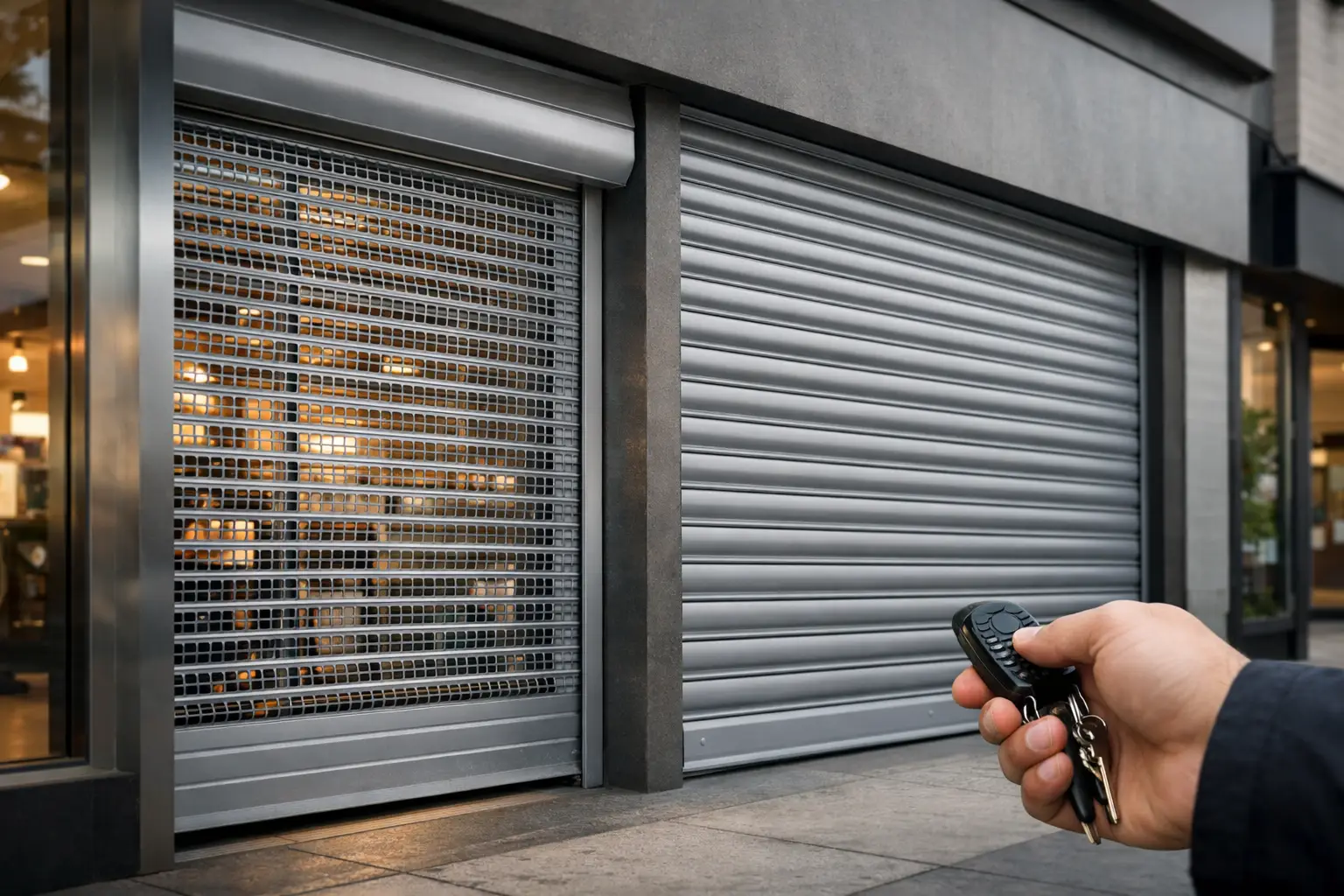
Choosing Security Shutters for Storefronts
A storefront can look polished at 6 p.m. and exposed by 6:05. Glass displays, point-of-sale equipment, merchandise, and entry doors become vulnerable the moment staff lock up. Security shutters for storefronts add a physical layer of protection without requiring a business to sacrifice the openness, daylight, and visual appeal that make a retail space inviting during operating hours.
The right system is not simply the heaviest shutter available. It needs to suit the storefront opening, local building requirements, day-to-day operating routine, and the character of the façade. For a boutique, salon, pharmacy, showroom, or mixed-use commercial property, that balance affects both security and customer experience.
What Security Shutters for Storefronts Are Designed to Do
Storefront security shutters are typically exterior or interior-mounted rolling systems that lower over a window, door, service counter, or larger glazed opening after hours. They create a visible barrier that can deter forced entry, reduce access to vulnerable glass, and help protect stock from opportunistic theft or vandalism.
Their role is practical, but they also influence how a business operates. A manually operated shutter may be suitable for a small opening with limited daily use. A larger storefront, multiple bays, or a location that closes late may benefit from motorized operation. The goal is for opening and closing procedures to be quick, consistent, and manageable for authorized staff.
A shutter should never be selected on appearance alone. Security performance depends on the complete assembly: the curtain or slats, side guides, locking method, bottom bar, mounting condition, and installation quality all matter. A well-specified system works as one coordinated unit rather than a collection of parts.
Start With the Storefront’s Real Risks
A thoughtful specification begins with the opening and the risks around it. A street-facing display window in a busy retail district faces different concerns than a recessed service entrance behind a plaza. Consider whether the primary need is deterrence, privacy, protection against impact, controlled access, or a combination of these factors.
The value and visibility of merchandise matter as well. High-end products positioned close to glass may call for a more substantial barrier than a storefront used mainly for branding and customer reception. Businesses that maintain displays overnight often prefer systems that preserve some visibility into the space, while others prioritize complete visual closure.
There is also a difference between protecting a front window and securing a point of entry. Door openings need appropriate locking and a practical way for staff to access the space. Service counters, concession openings, and pass-through windows may need frequent operation throughout the day, making ease of use especially important.
Consider the building, not just the opening
The building structure determines how and where a shutter can be mounted. Brick, steel, concrete, aluminum framing, and drywall bulkheads each require different planning. The available headroom above the opening is particularly important for rolling shutters because the shutter curtain must coil into a box or housing when raised.
For leasehold improvements, obtain approval from the landlord or property manager early. Exterior-mounted shutters can change the appearance of the building, and commercial plazas, condominium retail spaces, and heritage districts may have design rules. Local code requirements, fire egress, and accessibility conditions should also be reviewed before finalizing a system.
Choosing the Right Shutter Style and Material
Rolling shutters are the most familiar choice for many commercial applications. They rise vertically and store above the opening, making them efficient where side space is limited. They can be specified with solid slats for privacy or with perforated sections that allow partial visibility and airflow while maintaining a protective barrier.
Solid aluminum slats provide a clean, finished appearance and are often a strong fit for businesses that want the storefront fully screened after closing. Perforated aluminum can be useful when a retailer wants customers to see interior displays from the sidewalk. The trade-off is straightforward: more transparency typically means less visual privacy than a solid curtain.
For select interior applications, clear polycarbonate rolling shutters may be worth considering. They can maintain visibility into a display or retail area while establishing a physical separation. These systems are often used for mall storefronts, kiosks, or interior commercial openings where the visual presentation remains important after hours. Their suitability depends on the required opening size, operating pattern, and security expectations.
Side-folding grilles and closures can also be appropriate for wide openings where a rolling shutter box is impractical. Rather than coiling overhead, they stack to one or both sides. This can be a good solution for interior retail openings, though it requires side stacking space and creates a different visual profile when open.
Finish selection should complement the architecture instead of competing with it. Neutral aluminum finishes, black, bronze, white, and custom colors can help the shutter recede into the storefront design. A well-integrated housing and guide system can look intentional, especially when considered alongside awnings, signage, exterior screens, and window treatments.
Manual, Motorized, and Automated Operation
Manual shutters can be cost-effective for smaller, lighter openings. They are also straightforward in settings where the shutter is used infrequently. However, manual operation becomes less appealing as opening size, weight, or daily use increases. Staff may avoid using a system that feels cumbersome, which undermines the purpose of installing it.
Motorized security shutters are often the more practical choice for commercial storefronts. With a wall switch, key control, remote, or approved access control integration, the shutter can be operated quickly at opening and closing. Motorization also supports more consistent use across a team, particularly in multi-unit retail locations.
Automation adds convenience, but it should be planned carefully. Timed schedules may help with predictable business hours, while sensor and smart-control options can support property management needs. A commercial security shutter should still include appropriate safety measures and manual override planning for power interruptions. The best control method depends on who will operate the shutter, how often it will move, and what happens when the business is closed.
Specification Details That Should Not Be Treated as Extras
A custom shutter quote should account for more than width and height. The opening must be measured accurately, including variations in masonry, framing obstructions, handles, signage, sprinkler locations, and available clearance. Even an opening that appears square can have conditions that affect the fit.
Ask how the shutter will lock, where controls will be located, and whether the bottom bar will create a threshold concern. For exterior systems, discuss weather exposure and drainage. For interior mall or plaza systems, consider coordination with ceilings, lighting, and adjacent finishes.
Maintenance deserves attention, too. Tracks should be kept clear of debris, and staff should know not to force a shutter that is obstructed. Periodic inspection of guides, fasteners, controls, and the curtain helps identify small issues before daily operation becomes difficult. Like any custom operating system, a shutter performs best when it is used properly and serviced when needed.
Work With a Partner Who Can Coordinate the Details
Security shutters sit at the intersection of security, architecture, access, and finish design. That makes consultation valuable, especially for larger openings, renovations, and projects involving builders or designers. Window Fashions Depot can help evaluate the opening, compare operating and material options, and develop a custom solution that works with the broader commercial design plan.
Bring photos of the storefront, rough opening dimensions, details about daily operation, and any landlord or building-management requirements to the discussion. Those details make it easier to identify whether a solid rolling shutter, perforated aluminum system, clear closure, or another configuration is the right fit.
A storefront should welcome customers when it is open and give owners confidence when it is closed. Planning the shutter around both moments creates a result that looks considered, operates reliably, and protects the investment behind the glass.
0 comments