
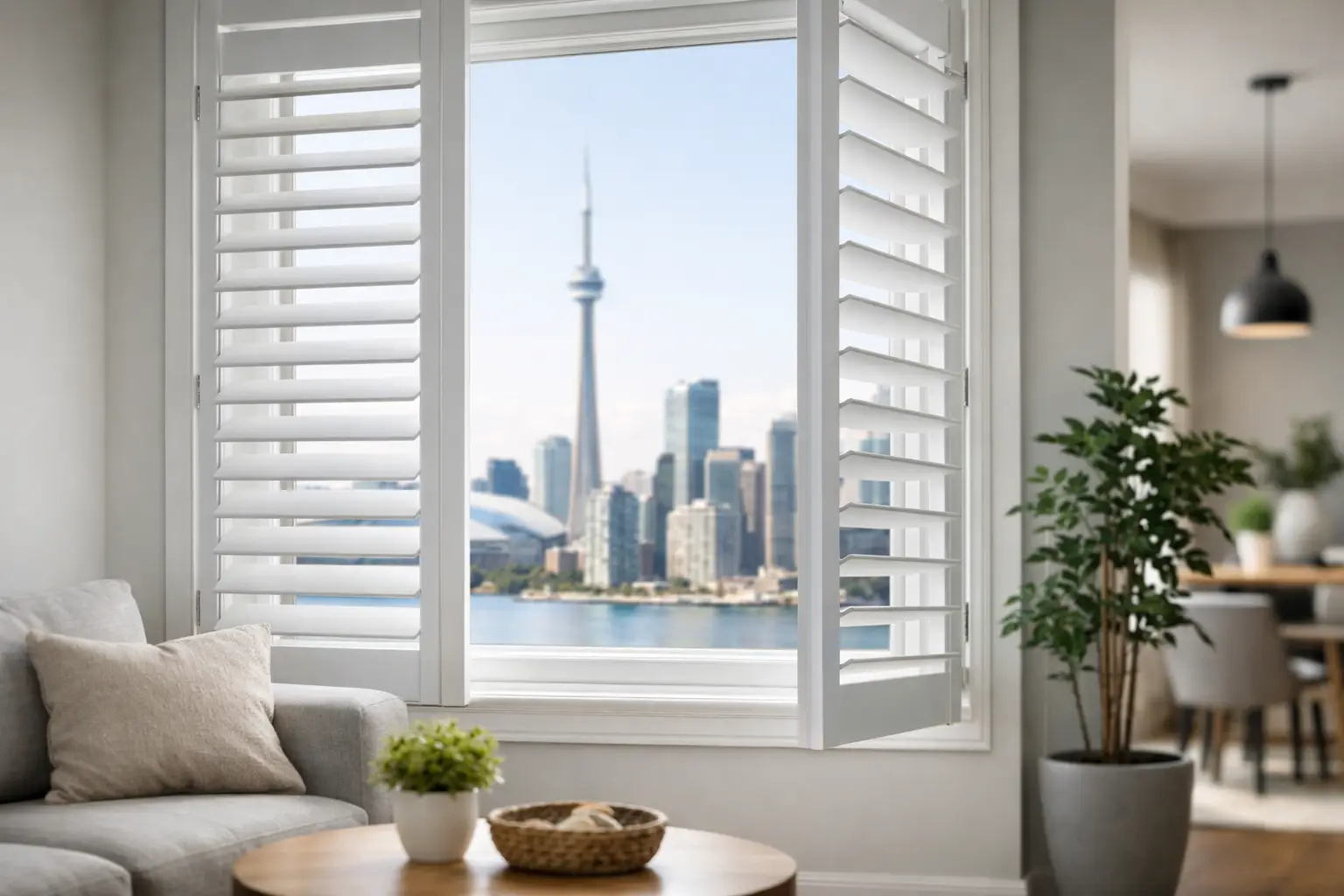
Choosing Toronto Window Shutters for Your Home
A street-facing bedroom needs privacy without losing daylight. A condominium living room may have floor-to-ceiling glass, limited wall depth, and a view worth preserving. In both cases, Toronto window shutters offer a tailored alternative to off-the-shelf blinds: a permanent-looking architectural treatment with precise light control, durable finishes, and a clean fit to the window.
Shutters are often selected for their classic appeal, but their value is practical as well. Adjustable louvers let you direct light upward, reduce glare on screens, and maintain privacy from neighboring homes or nearby towers. Because they are custom measured and built around the window opening, they can suit everything from traditional bay windows to contemporary tilt-and-turn windows, provided the product and mounting approach are specified correctly.
What Makes Custom Shutters Different
Window shutters are rigid panels with operable louvers, typically mounted inside the window frame or on the surrounding trim. Unlike a shade that raises into a headrail, shutter panels remain in place and open on hinges. The louvers tilt to control light, while the panels can swing open when you want a fully unobstructed window.
That construction changes the look of the room. Shutters add visible structure and can make a standard window feel more finished, particularly in living rooms, kitchens, primary bedrooms, and home offices. They also work well where a homeowner wants a consistent treatment across several rooms without introducing a different fabric or pattern at every opening.
The trade-off is that shutters are not a one-size-fits-all purchase. Frame depth, handle clearance, window operation, trim details, and uneven openings all affect the final specification. A professional measure is especially useful for older Toronto homes, where windows may not be perfectly square, and for condos with distinctive glazing systems.
Choosing Toronto Window Shutters by Material
Material is one of the first decisions because it affects cost, appearance, weight, moisture resistance, and the panel sizes that can be used. The best option depends on the room and the look you want to achieve.
Wood shutters
Wood shutters bring natural grain, warmth, and a lighter overall panel weight. They are an excellent choice for larger openings, specialty shapes, and interiors where stained finishes or fine furniture details are part of the design direction. Wood can also provide a more refined profile when a project calls for detailed framing and custom color matching.
They are generally best kept away from sustained humidity. A well-ventilated powder room may be suitable, but a bathroom with frequent steam or a high-moisture laundry room may call for a more stable alternative. Like quality millwork, wood shutters benefit from the right environment and thoughtful care.
Composite and engineered shutters
Composite shutters are designed to deliver the painted, substantial look of traditional shutters with dependable day-to-day performance. They are a popular choice for whole-home installations because they offer clean white and neutral finishes, strong panels, and a consistent appearance from room to room.
Depending on the product line, composite construction can be heavier than wood. Very wide windows may require more panel divisions or a specific framing method. This is not a drawback when planned properly, but it is a reason to look beyond a photo and review the proposed panel layout before ordering.
Vinyl and moisture-resistant shutters
For bathrooms, kitchens, and other humid areas, moisture-resistant shutter options can be a sensible solution. These products are easy to wipe clean and are built for conditions that can challenge natural materials. They are often available in a focused range of whites and neutrals, which suits many modern interiors.
The main consideration is visual preference. Some homeowners favor the depth and painted finish of composite or wood in formal living spaces, while a moisture-resistant shutter may be the better functional decision near a tub, shower, or frequently used sink.
Louver Size Changes the View and the Room
Louver size is more than a style detail. It determines how much of the view remains visible when the louvers are open and how prominent the shutter pattern appears across the window.
Smaller louvers create a more traditional, detailed look. They can suit cottage-style homes, divided-light windows, and rooms where a classic proportion is the goal. Larger louvers have a cleaner, more contemporary feel and provide a broader sightline when tilted open. They are often favored in urban condos and newer homes with expansive glass.
A large louver is not automatically the right choice for every window. On a small opening, it can look oversized; on an exceptionally wide or tall opening, it may be exactly what gives the treatment a balanced, less busy appearance. Viewing full-size samples in a showroom helps make this decision easier than comparing small online swatches.
Panel Layout Matters as Much as Color
A shutter installation should respect how the window is used. For a double-hung window, panels may be divided with a horizontal rail so the top and bottom sections can operate independently. This gives you the option to admit light through the upper portion while keeping the lower portion closed for privacy.
For wide patio-facing windows or a large picture window, the number of panels affects both appearance and access. Fewer wide panels can look streamlined, but they need enough clearance to swing open. More narrow panels create additional lines but may be more practical in a tight room. Bi-fold configurations can be appropriate for certain openings where a full swing panel would interfere with furniture or circulation.
Tilt control also deserves attention. A visible tilt rod delivers a traditional shutter character and can become a decorative feature. Hidden tilt systems create a cleaner face with no center rod, which many homeowners prefer for contemporary interiors. Both operate effectively, so this is largely an aesthetic decision.
Light Control, Privacy, and Room-Specific Needs
Shutters provide flexible privacy, but they are not identical to blackout shades. When louvers are closed, a small amount of light can still pass between components depending on the product and the surrounding conditions. For a bedroom that needs the darkest possible environment, shutters can be paired with a room-darkening roller shade, drapery, or another secondary treatment.
In a home office, shutters can be particularly useful because you can angle the louvers away from a monitor while still bringing in daylight. In a dining room, they provide a polished backdrop without competing with furniture or artwork. In street-level rooms, a divider rail offers useful control: leave the upper louvers open for light and close the lower section to screen the view.
For condos, confirm how the treatment will interact with handles, mullions, balcony doors, and any building requirements. A consultation should account for these details before fabrication, rather than trying to solve clearance problems after installation.
When Shutters May Not Be the Best Answer
Shutters are a strong long-term choice, but they are not the only solution. If you want soft texture, dramatic color, or a treatment that stacks almost completely out of sight, custom drapery or Roman shades may fit the design better. If insulation and room darkening are the first priorities, cellular shades or layered shades can offer advantages.
They can also be less practical on windows that must be opened constantly in a narrow space, where swinging panels could affect access. In that case, a tailored roller shade, cellular shade, or blind may be easier to operate daily. The right treatment should support the way a room functions, not simply follow a trend.
Plan the Project Before You Order
A custom shutter quote should begin with more than width and height. The conversation should cover room use, privacy concerns, window operation, trim depth, color, louver size, panel configuration, and whether the shutters need to coordinate with shades, drapery, or automated treatments elsewhere in the home.
For renovation professionals and designers, consistency across elevations is also worth reviewing early. Matching shutter frames, louver proportions, and paint tones can make a multi-room project feel intentional, even when individual windows require different configurations.
Window Fashions Depot helps homeowners, designers, and builders compare custom shutter options in person, with product guidance based on the actual opening rather than a generic size chart. For projects throughout the Greater Toronto Area, a measured consultation can clarify the details that determine whether shutters will look built in, operate comfortably, and serve the room for years.
A well-chosen shutter should make the window easier to live with: private when needed, bright when wanted, and considered from every angle of the room.
0 comments