
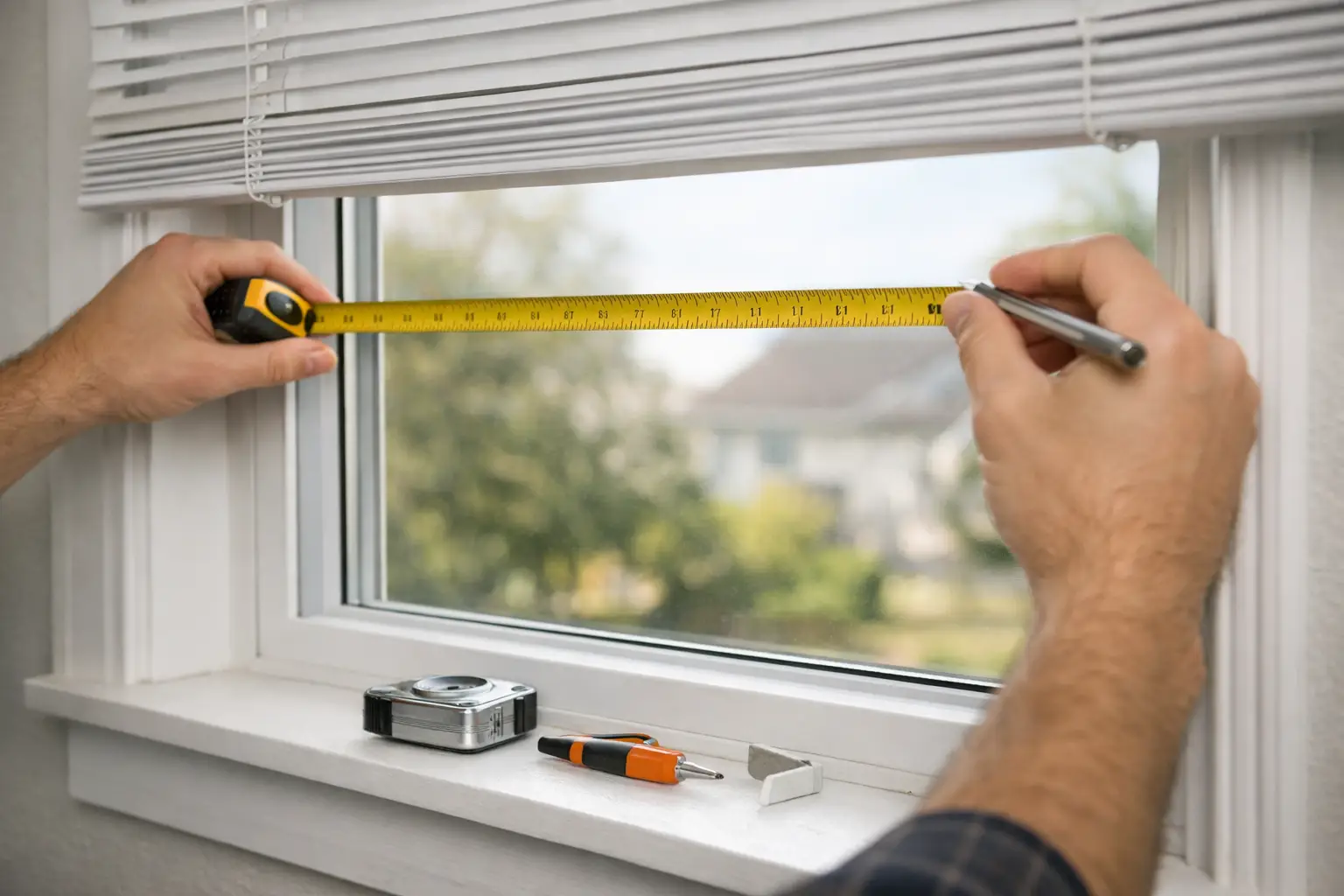
How to Measure Blinds for Inside Mount
A custom blind can look perfectly tailored on paper and still disappoint at installation if the opening was measured incorrectly. When clients ask us how to measure blinds for inside mount, the real goal is not just getting numbers – it is making sure the finished treatment sits cleanly within the frame, operates smoothly, and matches the room the way it was intended.
Inside mount blinds are popular because they create a crisp, built-in look. They keep trim and architectural details visible, which matters in design-forward homes, condos, and renovation projects where every line counts. But that finished look depends on precision. Measuring too loosely can leave gaps you did not expect. Measuring without checking depth can lead to a product that technically fits the window width but projects farther than you want.
How to measure blinds for inside mount correctly
The most reliable approach is simple: measure the actual window opening, not the old blind, not the glass, and not the trim. Use a steel tape measure rather than a soft measuring tape, because even a small bend or stretch can throw off a custom order.
For an inside mount, you need three core measurements: width, height, and depth. Width and height tell the manufacturer how to size the blind. Depth tells you whether the product can be mounted inside the frame at all, and whether it will sit fully recessed or partially project outward.
Before you begin, open the window treatment area completely. Remove curtains or hold them aside, raise any existing blind if possible, and make sure you can reach the inside edges of the frame. If the current treatment blocks the opening, measure around it carefully or plan to remove it first for the most accurate result.
Measure the width in three places
Start with width, because it is the most critical dimension for an inside mount blind. Measure from the inside left edge of the window frame to the inside right edge. Do this at the top, middle, and bottom of the opening.
Windows are not always perfectly square, especially in older homes, masonry openings, and some condo builds. That is why three width measurements matter. If the numbers vary, use the narrowest width. This helps prevent the blind from binding inside the frame.
Do not round up. In most cases, custom blind manufacturers make their own deductions for hardware clearance and operation. If you round up, you can end up with a blind that is too tight. Record the width to the nearest 1/8 inch unless a product specification asks for something more exact.
Measure the height in three places
Next, measure the height from the inside top of the frame down to the sill at the left, center, and right. If there is no sill and the opening runs straight down, measure to the point where you want the blind to end.
Use the longest height measurement if the numbers are slightly different. That gives proper coverage. Again, write the dimension down to the nearest 1/8 inch.
This is one area where product type can affect your expectations. With horizontal blinds and many shades, a little extra fabric or stack is manageable. With more structured products, consistency in the opening becomes more important. If your height measurements vary significantly, that may signal an out-of-square window that needs product-specific guidance.
Check window depth before you order
Depth is the measurement many buyers skip, and it is often the reason an inside mount selection has to change late in the process. Measure from the front edge of the window opening back to the glass or to the nearest obstruction, whichever comes first.
Obstructions matter. Window cranks, handles, protruding glazing, security sensors, and uneven molding can reduce usable depth even when the frame itself looks deep enough. A blind may technically mount inside the opening but still interfere with hardware or sit proud of the frame.
Every product has its own minimum depth requirement and its own fully recessed depth requirement. A slim aluminum blind may need less space than a wood blind, woven wood shade, honeycomb shade, or Roman shade. If your goal is a flush, recessed look, you need to measure for that standard, not just the bare minimum for installation.
Product differences that affect inside mount fit
Not all window coverings behave the same way in the same opening. That is especially true in custom work, where visual alignment and daily function matter as much as basic fit.
Blinds vs. shades vs. shutters
Horizontal blinds usually offer the most straightforward inside mount measuring process, but vane size, headrail size, and lift system still matter. Roller shades often have fewer fit issues at the sides, yet brackets and fascia dimensions still need depth clearance. Honeycomb shades can be forgiving in some applications, but larger cell sizes may project more than expected. Roman shades and woven woods tend to require more depth and can create a softer, less recessed look even when mounted inside.
Shutters are a separate category. Inside mount shutters often require a more exact assessment of squareness, mounting surface, and frame detail than standard blinds. If the opening is noticeably uneven, a professional site measure is often the smarter choice.
The trade-off between clean lines and light gaps
Inside mount blinds look refined, but they usually allow a bit more light around the edges than outside mount products. That is normal. If room darkening or privacy is a top priority, especially in bedrooms or street-facing rooms, you may need to weigh design preference against performance.
In some cases, an inside mount with side channels or a carefully selected shade system solves the issue. In others, an outside mount or layered treatment may be the better answer. The right fit depends on how the room is used.
Common measuring mistakes to avoid
Most errors happen because people measure what they see first instead of what the product will actually use. The trim is not the measurement. The glass is not the measurement. The old blind is definitely not the measurement.
Another common mistake is assuming every window in the room is identical. Even in the same elevation, openings can vary enough to affect custom fit. Measure each window separately and label every set of dimensions clearly.
It is also easy to overlook tile, casing returns, or slightly bowed frames in kitchens and bathrooms. Measure with the tape held straight and tight, and check for anything that interrupts the mounting plane. If the opening narrows toward the back, note that before selecting a deeper headrail or larger-profile product.
When an inside mount may not be the best option
Sometimes the right measurement leads you to a different recommendation. If the window depth is too shallow, the frame is badly out of square, or the room needs stronger blackout performance, an inside mount may not deliver the result you want.
This comes up often in older homes, renovated condos with replaced windows, and rooms where handles or tilt-in window features take up valuable space. In those cases, it is better to adjust the mounting style or product category before ordering than to force an inside mount that looks compromised.
That is also why consultation matters in custom window treatment projects. A product-forward showroom can help match the opening to the right blind, shade, or shutter rather than treating all inside mount applications as interchangeable.
How to record your measurements for ordering
Write each window down as width x height, and keep depth listed separately. Label every opening by room and exact location, such as Primary Bedroom Left Window or Kitchen Sink Window. If you are ordering multiple products, note the intended treatment type beside each opening so dimensions are not confused later.
If a manufacturer requests exact opening size, provide exact measurements and let the factory make deductions. If product instructions call for a specific deduction method, follow that guidance instead of guessing. The details vary by system, especially across premium product lines and motorized options.
For homeowners and trade professionals alike, the safest path is to confirm the measuring standard before finalizing the specification. If you are planning a more tailored solution, Window Fashions Depot can help align measurements with the product you actually want, not just the opening you happen to have.
A well-measured inside mount does more than fit the frame. It gives the window a finished, intentional look that supports the entire room – and that is exactly what custom window coverings should do.