
UV Blocking Window Film Alternatives That Work
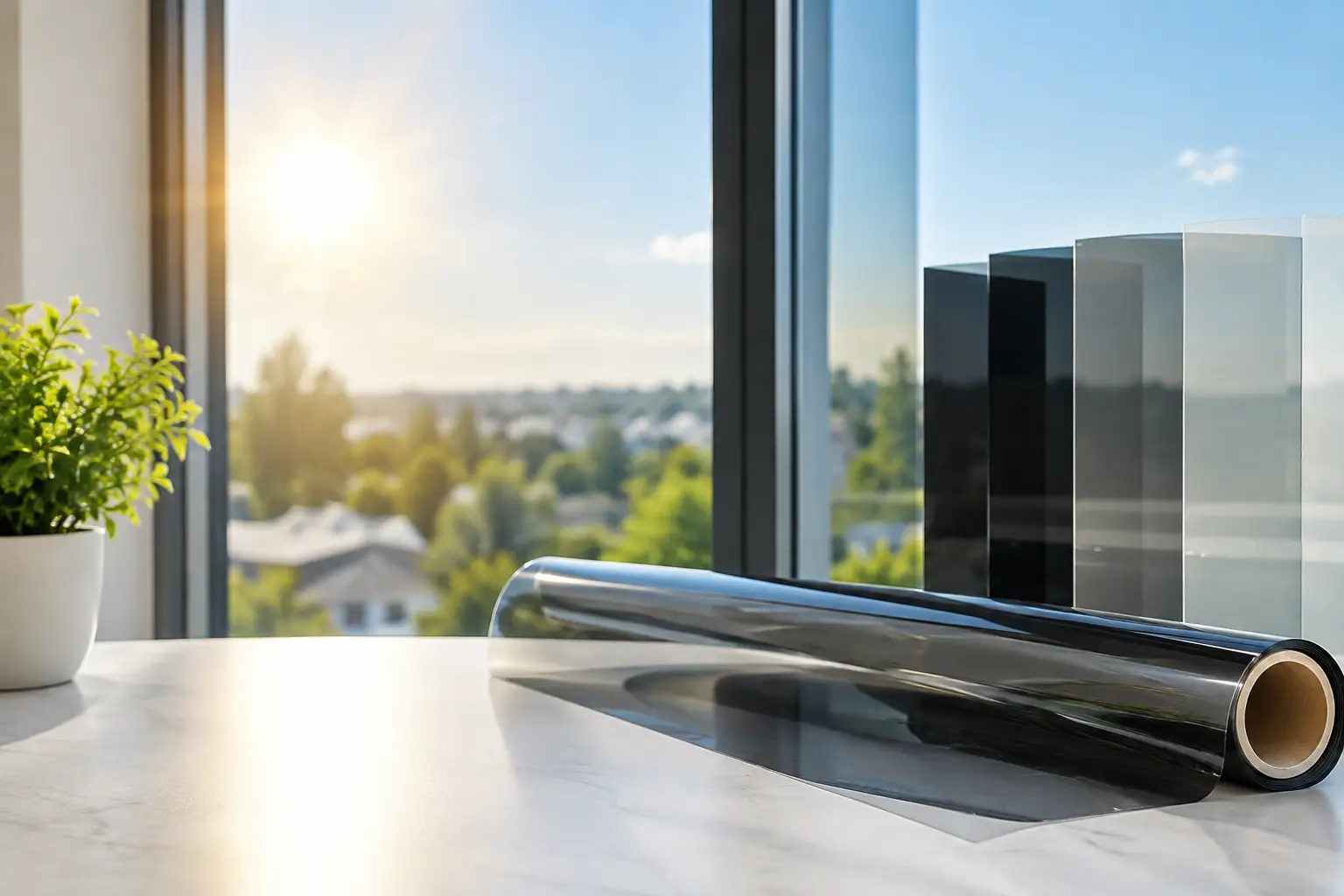
Sun-faded flooring beside a bright patio door, glare across a home office screen, and a living room that feels too exposed are rarely solved by UV blocking window film alternatives alone. Film can reduce ultraviolet exposure, but homeowners often need more: adjustable light, daytime privacy, energy control, and a finish that belongs with the room.
Custom window treatments can address those needs without permanently changing the glass. The right option depends on window orientation, how the room is used, the furnishings being protected, and whether preserving a clear exterior view matters as much as blocking light.
Why look beyond window film?
Window film is a practical choice in some applications, particularly when maintaining an unobstructed window is the priority. Yet it is fixed in place. If a room is dark on a winter afternoon, film cannot be opened to bring in more daylight. If direct sun moves across the space, it cannot be adjusted to target the glare.
Film can also alter the appearance of glass, create a reflective exterior, or raise compatibility questions with certain insulated or specialty windows. Performance varies substantially by product and installation. A treatment-based approach gives homeowners more control over the result, including how much light enters, how private the room feels, and how the window contributes to the interior design.
For protecting furnishings, it also helps to understand the goal. Most modern glass blocks much of the UVB spectrum, but UVA and visible light can still contribute to fading over time. Heat, humidity, and the quality of the material also affect fading. No window treatment can eliminate every risk, but a well-specified shading system can significantly reduce direct exposure.
UV blocking window film alternatives for interior rooms
Solar roller shades for view-preserving protection
Solar roller shades are often the closest functional alternative to film. Their technical fabrics filter sunlight while maintaining an outward view during the day. They are especially effective in condos, great rooms, kitchens, and offices where expansive glazing is an architectural feature rather than something to cover completely.
Openness factor is the key specification. A lower openness fabric, such as 1% or 3%, provides stronger glare reduction and greater privacy while offering a more limited view. A 5% or 10% fabric preserves more visibility but lets in more light. Darker fabrics generally provide a clearer view through the shade during the day, while lighter fabrics can better reflect heat and coordinate with softer interiors.
Solar shades are not automatically private at night. With lights on indoors, silhouettes may be visible from outside. In bedrooms or street-facing rooms, pair a solar roller shade with drapery, side panels, or a second blackout shade for privacy after dark.
Dual shades for changing light conditions
For rooms that need both filtered daylight and complete coverage, dual roller shades are a highly adaptable solution. One shade uses a solar-screen fabric for daytime UV and glare control; the other uses a room-darkening or blackout fabric. Each layer operates independently, allowing the homeowner to choose a view, filtered light, or near-total darkness.
This is a strong option for media rooms, primary bedrooms, nurseries, and multipurpose spaces. It avoids the all-or-nothing nature of window film while keeping the window treatment visually clean. Motorized dual shades are particularly useful on tall windows and hard-to-reach installations, where light conditions change throughout the day.
Cellular shades for UV control and insulation
Cellular, or honeycomb, shades combine light management with insulation. Their pleated cell construction traps air, helping reduce heat gain in summer and heat loss in winter. That makes them a smart consideration for bedrooms, family rooms, and windows that feel cold or overly warm near the glass.
Light-filtering cellular fabrics soften harsh sun and help protect interiors without making the room feel shut down. Room-darkening versions provide stronger coverage, although small light gaps can remain at the sides unless a specialty track or precise installation is selected. Top-down/bottom-up operation adds another advantage: lower the shade from the top to admit daylight while keeping direct sun off furniture and maintaining privacy below.
Roman shades and drapery for design-led protection
When the room calls for texture, pattern, or a more tailored finish, Roman shades and custom drapery provide protection with greater decorative range. Lined fabrics can substantially reduce light transmission, and blackout linings offer the highest level of coverage when the treatment is closed.
The trade-off is visibility. Unlike solar shades, opaque fabrics do not preserve an exterior view while controlling sun. For that reason, many designers layer treatments: a solar roller shade handles daytime glare and UV exposure, while decorative drapery frames the window and closes for evening privacy. This approach works beautifully in formal living rooms, dining rooms, and bedrooms where the window treatment is part of the overall furnishings plan.
Fabric selection matters. Delicate silks and loosely woven materials may not be the best standalone barrier for strong southern or western exposure. A quality lining, appropriate fullness, and a properly sized track or rod make a measurable difference in both performance and appearance.
Plantation shutters for adjustable, lasting control
Interior shutters offer precise adjustment without relying on fabric. Tilt the louvers upward or downward to redirect direct sun, reduce glare, and preserve a degree of daylight. Closing the panels provides privacy and a more complete barrier than open louvers, while the finished look suits both traditional and clean-lined contemporary interiors.
Shutters work well in bathrooms, street-facing rooms, kitchens, and spaces where durability is a priority. They are custom built to the window, so they are less suited to homeowners who want the soft movement of drapery or a fully unobstructed view. Still, their long service life and architectural presence make them a compelling alternative where sun control must feel permanent and intentional.
When exterior shading is the better answer
If the primary issue is heat before it reaches the glass, exterior shading deserves serious consideration. Exterior solar screens, retractable awnings, pergola systems, and exterior roller shades stop a portion of solar energy outside the home. Interior shades manage the light that has already passed through the window; exterior systems can reduce the load earlier in the process.
This distinction matters most on large west-facing windows, patios, sunrooms, and sliding doors. Retractable awnings can shade outdoor seating and reduce direct sunlight entering adjacent rooms. Exterior screens provide daytime shade while retaining airflow and, depending on the product, can also help with insect control.
Exterior solutions require careful specification for wind exposure, mounting conditions, and local building requirements. They are generally a larger investment than an interior roller shade, but they can be the right answer where comfort near the glass is the overriding concern.
How to choose the right alternative
Start with the room, not the product. A south-facing office with monitor glare has different needs than a primary bedroom with fading hardwood, and both differ from a patio door that overheats in late afternoon. Note when direct sun enters, whether you need an open view, and whether daytime or nighttime privacy is more important.
Then consider the level of control you expect. Solar shades offer filtered light and view-through performance. Cellular shades add insulation. Drapery and Roman shades bring decorative impact and stronger coverage. Shutters provide adjustable architectural control. Exterior systems are often best for major heat gain. For demanding rooms, combining two treatments is often more effective than asking one product to do every job.
Motorization is worth considering when shades will be adjusted frequently or installed on multiple windows. Systems from leading manufacturers can be scheduled to lower during intense afternoon sun and raise when daylight is welcome. Automation does not replace a well-chosen fabric or shade style, but it makes consistent protection much easier to maintain.
A professional consultation also helps identify details that product photos cannot show: fabric openness, side light gaps, mounting depth, window-handle clearance, and how a treatment will look from outdoors. Window Fashions Depot can help homeowners and design professionals compare these options in person and specify a custom solution for the room.
The best choice is the one that protects the space without asking you to live in the dark. Treat sunlight as a design element you can direct, soften, and schedule, and the room will remain more comfortable while its finishes stay beautiful longer.
0 comments