
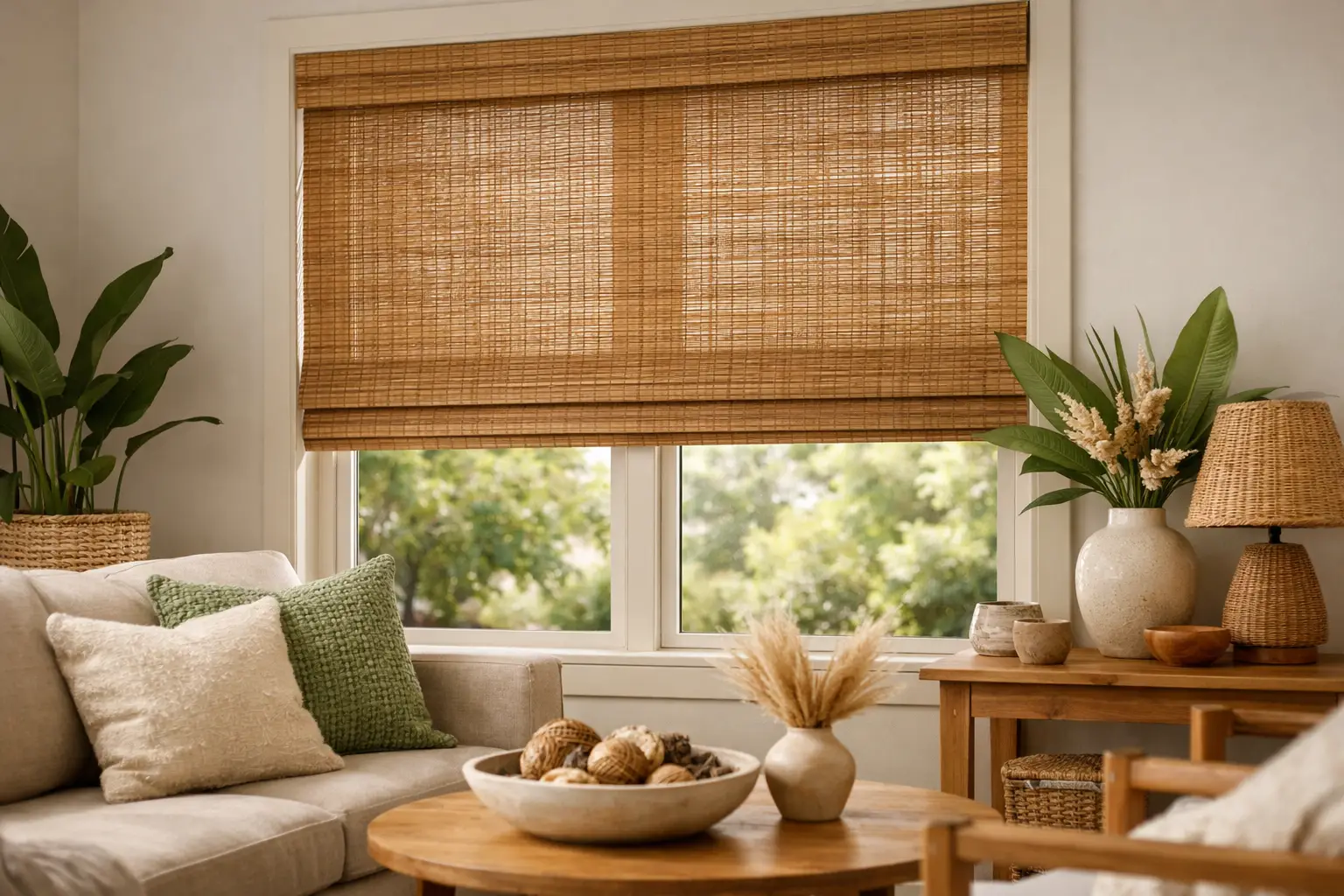
Woven Wood Shades for Natural Decor
A room can have the right sofa, the right paint, and even the right flooring and still feel flat. Often, the missing layer is texture at the window. Woven wood shades for natural decor solve that problem in a way that feels warm, tailored, and grounded without looking heavy or overdesigned.
These shades are built from organic-looking materials and textured weaves that bring depth to a space immediately. For homeowners and designers trying to soften modern interiors, add character to transitional rooms, or keep a relaxed natural palette from feeling bland, woven woods are often one of the most effective choices. They do more than look good, though. The right configuration can also address privacy, glare, UV exposure, and everyday convenience.
Why woven wood shades work so well in natural interiors
Natural decor depends on balance. You want warmth, but not visual clutter. You want materials with character, but not anything that feels rustic unless that is the direction of the room. Woven wood shades sit in that sweet spot. They introduce texture in a controlled, architectural way.
Unlike flat fabric shades or hard horizontal blinds, woven woods have variation built into the surface. You see subtle shifts in tone, tiny irregularities in the weave, and a handcrafted look that gives the room more dimension. That matters in neutral spaces, where too many smooth surfaces can make the design feel cold.
They also pair well with a wide range of finishes. White walls, oak floors, black window frames, limestone accents, boucle upholstery, and soft linen drapery all tend to work well with woven wood shades. That versatility is one reason they continue to show up in living rooms, bedrooms, dining spaces, and sunrooms.
Woven wood shades for natural decor in different room styles
A common mistake is assuming woven woods only fit coastal, bohemian, or farmhouse interiors. In practice, they can be specified much more broadly.
In modern spaces, a tighter weave and cleaner profile keep the look refined. The shade adds warmth without competing with minimalist architecture. In transitional rooms, woven woods bridge classic furniture and contemporary finishes nicely. In more relaxed interiors, a visible texture and slightly varied fiber tone can make the room feel layered and lived in.
Bedrooms usually benefit from a softer, calmer weave, especially when the surrounding palette includes creams, sands, warm grays, or muted greens. In dining rooms and studies, deeper tones can add richness and help anchor the room. For family rooms, it often comes down to balancing the casual appeal of the material with the need for privacy and light control throughout the day.
The biggest design decision is the weave
When people shop woven woods, they often focus first on color. Color matters, but weave matters just as much.
An open weave lets more light pass through and gives the shade a breezier, more relaxed look. That can be beautiful in a breakfast nook, casual living area, or space where filtered daylight is part of the design intent. The trade-off is reduced privacy and less control over glare. At night, especially with lights on inside, an open weave may not provide the level of screening many homeowners expect.
A tighter weave creates a cleaner appearance and improves privacy. It can also feel more polished in formal rooms or urban settings where buildings sit closer together. If the room gets strong sun, a denser weave often performs better visually because it cuts brightness more effectively.
This is where consultation matters. Two woven shades can look similar in a sample book and behave very differently once installed on a full-size window.
Lined or unlined depends on how you use the room
One of the most important specification choices is whether the shade should be lined. Unlined woven wood shades show off the material beautifully and allow light to filter through the weave. They create a soft glow that many people love in daytime living spaces.
But natural decor is not just about appearance. It has to function well. In bedrooms, media rooms, street-facing windows, or homes with intense afternoon sun, an unlined shade may fall short. Adding a privacy or blackout liner changes performance significantly. You keep the textured front appearance while improving control over visibility and incoming light.
There is a design trade-off here. A liner can reduce some of the airy quality that makes woven woods appealing in the first place. That does not make it the wrong choice. It simply means the best solution depends on the room, the exposure, and what matters most day to day.
Fold style, edge detail, and stack height all affect the final look
Woven wood shades are often chosen for their natural texture, but the tailoring details are what make them feel custom instead of generic.
Roman-style folds create a softer, more decorative look as the shade raises. A waterfall style can feel relaxed and elegant, while a more structured fold reads cleaner. Some rooms benefit from that softness, especially when the windows are a focal point. Others do better with a simpler silhouette.
Edge binding is another detail worth considering. In some interiors, a banded edge gives the shade more definition and helps tie in other finishes in the room. In others, a plain edge keeps the look quiet and organic. Neither is universally better. It depends on whether the window treatment is meant to blend in or provide contrast.
Stack height is practical, but it also influences the room visually. On windows with a view, a bulky stack when the shade is raised may block more glass than expected. That is especially relevant for condos, large picture windows, or any room where preserving daylight and sightlines matters.
Motorization and cordless options make woven woods easier to live with
Natural style does not have to mean old-fashioned operation. Woven woods can be paired with modern lift systems that make them safer, cleaner, and more convenient.
Cordless operation is often a strong choice for family homes because it keeps the profile neat and reduces visible hardware. For larger windows, hard-to-reach placements, or whole-home projects, motorization adds another level of comfort. You can manage glare, privacy, and daylight without adjusting every shade by hand.
This is particularly useful in open-concept homes where sun conditions change throughout the day. In a room with multiple windows, motorized shades help maintain a consistent look while improving daily use. For design professionals and homeowners already planning smart-home features, this is often worth discussing early in the specification process.
Measuring and fit are more important than most buyers expect
Woven woods have a custom, furniture-like presence at the window. That means sizing errors stand out quickly.
Inside mount gives a clean, built-in appearance and works well when the window frame has enough depth and the trim is worth showing. Outside mount can make a window appear larger, cover more light at the edges, and help when the frame is shallow or uneven. For privacy and room darkening goals, outside mount often performs better than people assume.
Because these materials have texture and visual weight, proportion matters. A shade that is too narrow, too short, or improperly mounted can make even a premium product look like an afterthought. That is why many buyers prefer expert measuring and product guidance, especially for larger projects or layered window treatments.
How to pair woven woods with drapery and other finishes
Woven wood shades for natural decor become even more effective when they are part of a broader window treatment plan.
Layering with drapery adds softness, improves light control, and gives the room a more finished look. Linen, textured solids, and quiet patterns tend to work especially well. In bedrooms and formal living spaces, this combination can bring both natural texture and a sense of polish.
The surrounding finishes should also inform the choice. If the room already has a lot of visible wood tone, the best woven wood shade may not be an exact match. Sometimes contrast works better. A slightly lighter or deeper tone can keep the design from feeling too uniform. In black-and-white interiors, a warm natural shade often acts as the element that makes the whole room feel more inviting.
When woven woods are the wrong fit
They are not right for every project, and that is worth saying clearly.
If you need a very crisp, minimal window treatment with maximum uniformity, a roller shade may be the better answer. If complete blackout is the top priority and side light gaps are a concern, another product category or a layered solution may perform better. In high-moisture areas, material selection needs extra attention. And if a room already has heavy texture in every surface, woven woods can tip the space into feeling busy.
The best results come when the decorative value and the functional requirements are considered together. That is where showroom samples, professional guidance, and custom options make a difference.
For homeowners and trade professionals who want windows to contribute more than simple coverage, woven woods are one of the strongest tools available. They bring texture, warmth, and a custom feel that can change the character of a room quickly. The key is choosing the right weave, liner, lift system, and mounting approach for the way the space actually lives. If you are comparing options for a full home or a single room, seeing woven wood shades in person is often the moment the decision becomes much easier.