
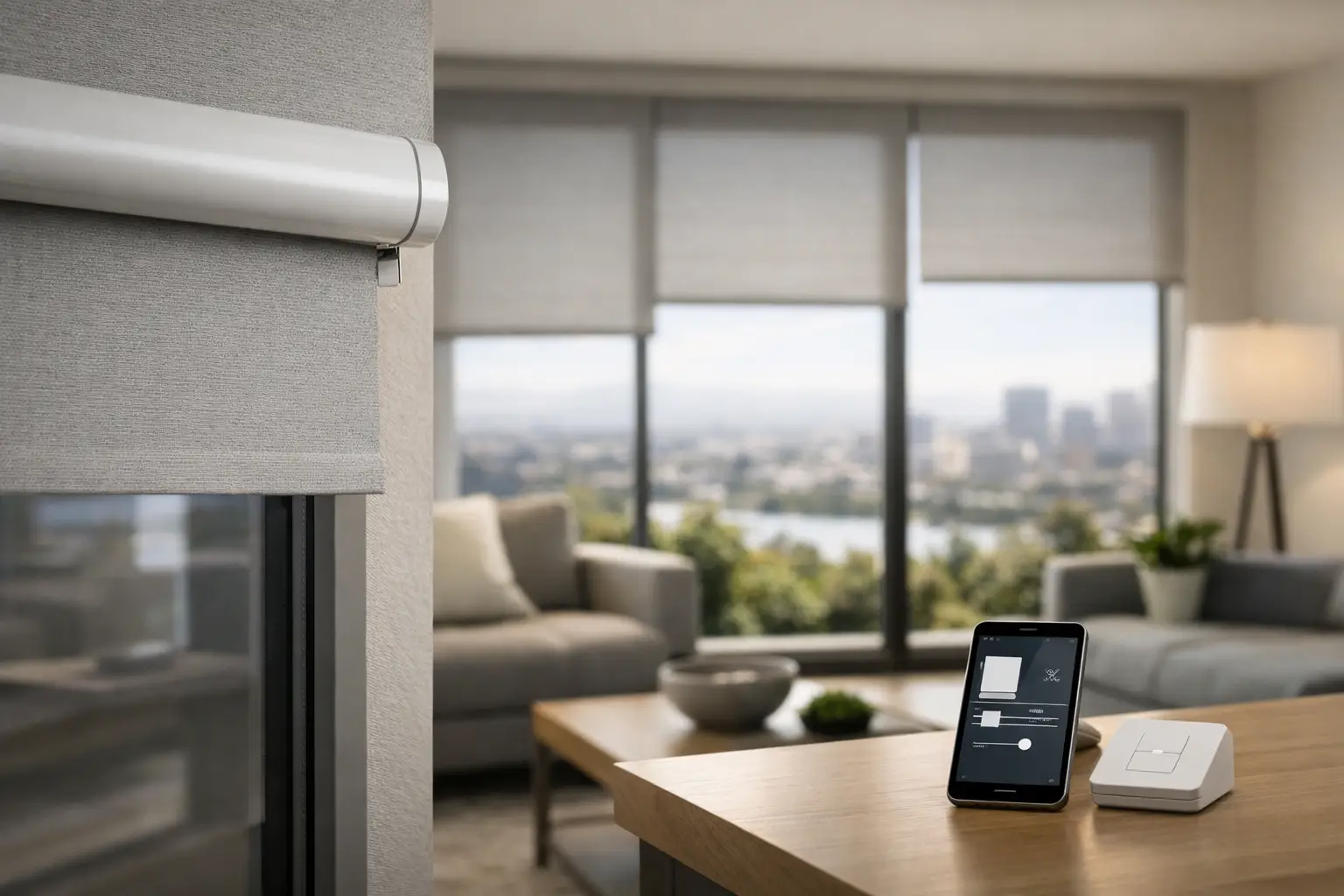
Lutron Shade System Review for Smart Homes
Some motorized shades feel like gadgets with fabric attached. Lutron usually feels different. In this lutron shade system review, the real question is not whether the brand is premium – it is whether the performance, control options, and finish quality justify the investment for your project.
For many homeowners and designers, Lutron enters the conversation when a space needs more than simple up-and-down shade control. Maybe it is a media room that needs precise light management, a street-facing bedroom that needs privacy on a schedule, or an open-concept living area where visible cords and uneven shade lines would undermine the design. Lutron has built its reputation around those higher-expectation situations.
What stands out in a Lutron shade system review
Lutron shade systems are strongest when the project calls for clean integration. The brand is known for quiet motors, refined hardware, strong control programming, and coordination with lighting and smart home systems. If you are comparing options at a showroom or specifying a full-home package, that combination matters more than any single feature on a spec sheet.
The design advantage is immediate. Lutron shades tend to look architectural rather than decorative-first. That makes them a natural fit for contemporary homes, renovated condos, and new builds where minimal pockets, fascia details, and consistent shade alignment are part of the overall look. In more traditional interiors, they still work well, but fabric selection and valance treatment become more important.
Another reason Lutron gets serious attention is reliability. In premium motorization, consistency matters. Homeowners do not want one shade moving slower than the others, and designers do not want a wall of windows finishing at slightly different heights. Lutron generally performs well here, especially on larger installations where synchronized movement is part of the appeal.
Where Lutron performs best
Lutron is not a one-size-fits-all answer. It is usually best suited to homes and projects where automation is central to the experience, not an afterthought.
In bedrooms, blackout performance paired with scheduled opening and closing is a major benefit. In living rooms and family rooms, solar and light-filtering fabrics help manage glare without making the room feel closed off. In homes with expansive glazing, the value goes beyond convenience. Motorized shades can help protect furnishings, moderate heat gain, and make large or hard-to-reach windows usable every day.
This is also a strong option for design professionals and builders working on polished, specification-driven spaces. If the project includes keypads, lighting scenes, hidden shade pockets, or integrated controls, Lutron is often easier to justify because the shading system becomes part of a larger environment.
Lutron shade system review: control and automation
Control is where Lutron separates itself from many mid-market motorized shade brands. The system is built for flexibility. You can operate shades by remote, wall keypad, app, timer, and voice platform depending on the system configuration. That sounds standard until you live with it. The difference is in how predictable and polished the experience feels.
Scene control is particularly useful. Instead of thinking about one shade at a time, you can create settings for morning light, afternoon glare control, movie viewing, or evening privacy. For large homes, this reduces friction. For designers, it helps turn window treatments into part of the room experience rather than an isolated add-on.
Battery-powered and wired options both have a place. Battery models can be a practical fit for retrofit projects where opening walls is not desirable. They preserve aesthetics and add automation without major construction. Wired systems are often the better choice for new construction or full renovations because they support a cleaner long-term setup and reduce maintenance tied to battery replacement.
That said, control sophistication can also be more than some buyers need. If the goal is simply to motorize one or two shades in a casual room, Lutron may feel like a premium answer to a modest problem. The system shines brightest when multiple windows, multiple rooms, or broader automation goals are involved.
Fabric selection, light control, and appearance
A motorized system is only as good as the shade itself. Lutron performs well here because the offering is not just about motors. Fabric selection, openness factors, privacy levels, and overall finish quality are part of the package.
Solar fabrics are a strong choice for rooms that need daylight and outside views while cutting glare. Light-filtering materials soften the space and work well in living areas where harsh direct sun is the issue. Blackout options are the natural fit for bedrooms, nurseries, and media rooms. The right pick depends on orientation, privacy needs, and what the room is actually used for during the day.
This is where consultation matters. A west-facing condo with floor-to-ceiling glass has different needs than a suburban bedroom facing a backyard. On paper, both may call for shades. In practice, one may need heat and glare control while the other is really about privacy and sleep quality. Lutron gives you the framework, but the correct fabric selection is what makes the system successful.
Visually, the shades tend to maintain a tailored look. Hardware is refined, movement is smooth, and the finished installation usually reads as intentional rather than mechanical. For clients who care about clean lines, that is a major selling point.
Noise, speed, and day-to-day use
This is one of the least flashy but most valuable parts of any review. A motorized shade can have great specs and still be annoying if it is noisy or inconsistent. Lutron generally gets good marks for quiet operation. In bedrooms, offices, and open-plan homes, that makes a real difference.
Speed is measured enough to feel controlled rather than abrupt. That may not impress someone in a demo the way a faster motor would, but in daily life it tends to feel more premium. The movement is deliberate, and on grouped shades the synchronization helps the room feel more finished.
The daily experience is also less cluttered. No cords, no uneven manual adjustments, and no struggle with tall or hard-to-reach windows. That convenience becomes more noticeable over time, especially in rooms used throughout the day.
The trade-offs: cost, planning, and complexity
A fair lutron shade system review has to acknowledge the biggest barrier – price. Lutron is a premium brand, and the cost reflects that. Materials, motorization, controls, and installation can add up quickly, particularly in whole-home projects or large window walls.
Planning is another factor. If you want concealed pockets, coordinated wiring, or system integration with lighting and keypads, those decisions should happen early. Lutron can absolutely work in retrofit conditions, but the most elegant outcomes usually come from good pre-planning.
There is also the question of whether the system is too advanced for the application. Not every room needs scenes, scheduling, and app-based control. In some homes, a simpler motorized shade solution may be enough. The best buying decision is not about choosing the most expensive option. It is about matching the system to the way the space is used.
Who should consider Lutron and who may not need it
Lutron is worth serious consideration if you are building, renovating, or upgrading a home where automation, aesthetics, and dependable performance all matter. It is especially compelling for larger homes, wide window expanses, luxury condos, media rooms, primary suites, and projects where lighting and shades need to work together.
It also makes sense for designers and builders who want a specification-friendly product with a strong reputation. When clients expect a polished result and do not want visible compromises, Lutron is often a comfortable recommendation.
On the other hand, if your main priority is basic light control at the lowest possible cost, this may not be the right fit. A guest room, basement office, or single small window does not always need a premium automation platform. That does not make Lutron excessive in general. It just means context matters.
Final verdict
Lutron is not popular because of branding alone. It earns its place by combining refined appearance, strong automation, quiet operation, and dependable performance in a category where details are easy to get wrong. The biggest question is not whether it is good. It is whether your space will benefit enough from that extra level of design and control to justify the price.
If you are choosing shades for a home where comfort, privacy, smart control, and finish quality all need to work together, Lutron is one of the strongest systems to evaluate. The smartest next step is to look at the windows themselves, the rooms they serve, and the level of integration you actually want before you specify the fabric and control package.
0 comments