
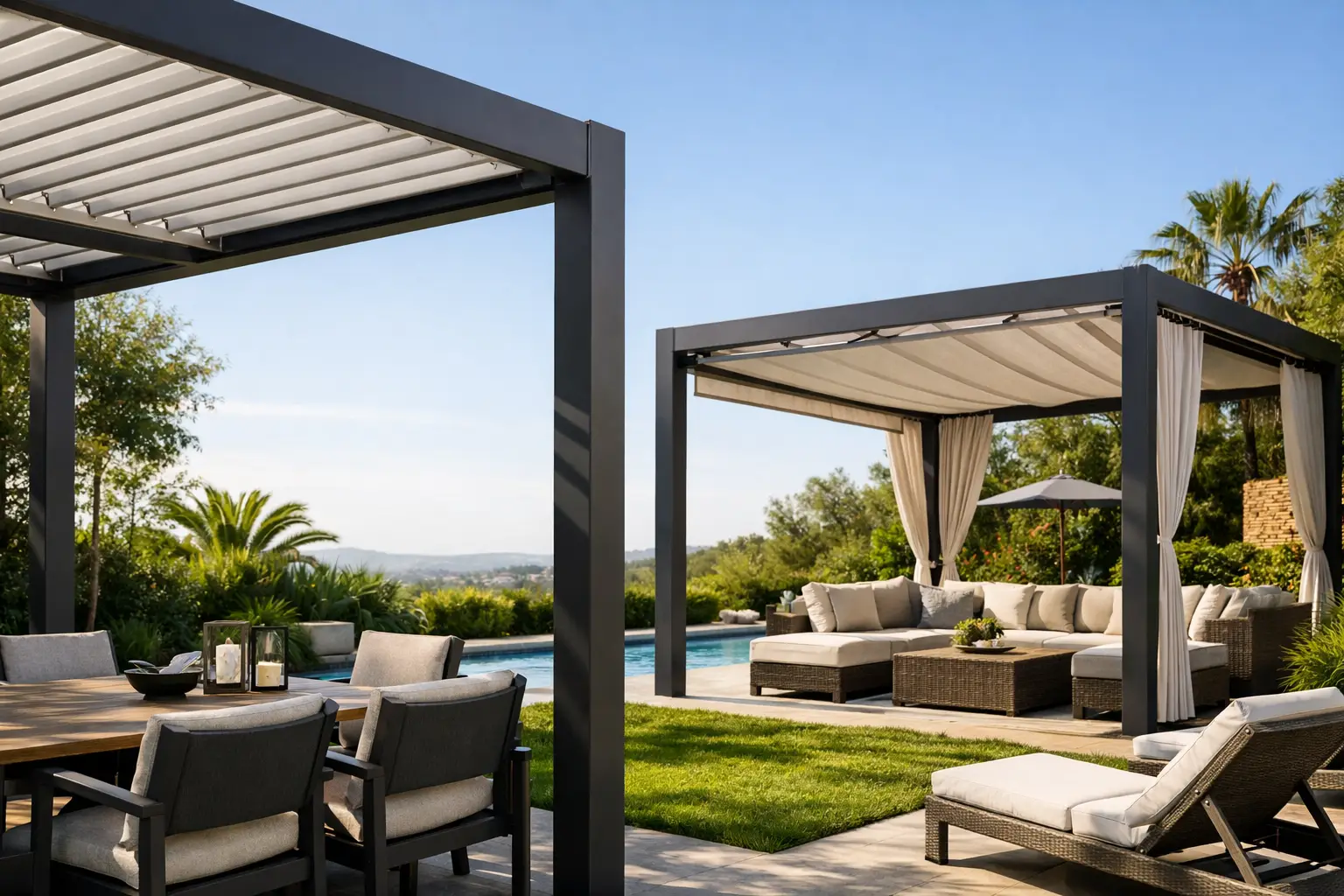
Pergola Shade Systems That Fit How You Live
A pergola that looks beautiful at noon but sits empty by 2 p.m. usually has one problem – not enough shade where and when you need it. That is why pergola shade systems matter. The right system does more than soften sunlight. It changes how often you use the space, how comfortable guests feel, and how well the design performs across different seasons.
For homeowners, designers, and builders, the decision is rarely just about adding cover. It is about balancing sun control, airflow, privacy, weather exposure, and appearance. Some patios need flexible shade for western sun. Others need a cleaner architectural look, motorization, or better rain management. The best choice depends on how the pergola is used, what the structure can support, and how tailored you want the final result to be.
What pergola shade systems actually do
At a basic level, pergola shade systems control light and heat over an outdoor structure. In practice, they also shape the mood and functionality of the space. A dining area may need broad midday coverage with enough ventilation to stay comfortable. A poolside pergola may benefit from partial filtering rather than full blackout. A rooftop terrace may need privacy from neighboring sightlines as much as it needs relief from sun.
This is where custom specification matters. A fixed shade solution can work well if the sun angle is predictable and the client wants a simpler, lower-maintenance setup. A retractable or operable system makes more sense when flexibility is the priority. If you enjoy morning light but want relief later in the day, adjustability becomes the feature that determines whether the space gets used daily or occasionally.
The material choice also changes performance. Tensioned fabric systems can provide a refined, contemporary finish and often feel lighter visually than a solid roof. Louvered systems offer stronger control over both light and ventilation. Mesh and screen-based options help reduce glare while preserving openness. There is no universal best option. There is only the best fit for the way the space functions.
The main types of pergola shade systems
Retractable canopy systems are one of the most requested options because they offer flexibility without making the pergola feel heavy or enclosed. The fabric can open when you want daylight and retract when you want more sun or sky. This is especially useful for entertaining spaces where comfort conditions change throughout the day. Motorization is often worth considering here, particularly on larger pergolas where manual operation can feel less practical.
Louvered roof systems appeal to clients who want a more architectural solution. Adjustable louvers allow you to angle light, improve airflow, and in many systems provide rain protection when closed. They tend to suit modern homes and high-design outdoor areas, but they also come with a higher investment level than simpler fabric systems. If year-round usability is a goal, that added capability may justify the cost.
Under-pergola shade panels create a softer look and can be a strong fit when the pergola itself is already built and you want to enhance comfort without replacing the structure. Depending on the design, these systems can be fixed, sliding, or retractable. They are often selected for decorative value as much as function, especially in residential projects where the outdoor area needs to coordinate with interior finishes.
Cable-guided or track-guided shades work well when wind stability matters. They keep the fabric aligned and reduce movement, which is important in exposed patios, rooftops, and open backyard settings. In the right application, they deliver a cleaner and more reliable result than loose shade panels or off-the-shelf fabric options.
Side shades and vertical screens are often overlooked, but they can be the difference between partial comfort and true usability. If late-day sun enters from the west or privacy is limited, overhead coverage alone may not solve the problem. Adding vertical elements can dramatically improve glare control and make outdoor seating areas feel more intentional.
How to choose the right system for your space
The first question is not which style looks best. It is how the pergola is used. A family lounge area, outdoor kitchen, condo terrace, and hospitality-style entertaining space all ask different things of a shade system. If you host often, adjustability and automation may matter more than maximum coverage. If the goal is everyday comfort for reading or dining, consistent shade and low maintenance may be the priority.
Sun exposure should be assessed carefully. South-facing and west-facing spaces usually require more serious heat and glare control than pergolas with softer exposure. If the area gets intense afternoon sun, a decorative option may not be enough. This is where consultation adds value. A system that looks right in a showroom or product photo may underperform if orientation, surrounding buildings, and seasonal sun angles are not considered.
Structure matters too. Not every pergola can accept every shade system without modification. Weight loads, mounting points, span widths, and drainage requirements all affect what is realistic. A custom provider will evaluate whether the existing pergola can support a retractable canopy, whether a freestanding louvered system is a better route, or whether a lighter integrated shade makes more sense.
Then there is aesthetics. Shade should not feel like an afterthought. The fabric color, frame finish, hardware profile, and control method all influence whether the pergola feels cohesive with the house. Neutral tones remain popular because they work with a wider range of exteriors, but bold contrast can also be effective when the architecture supports it. Designers often focus on this point because the wrong system can solve the functional problem while weakening the overall look of the project.
Motorization, automation, and smart control
For many clients, motorization moves pergola shade systems from convenient to essential. Large canopies are easier to operate with a motor, but the bigger advantage is consistency. You are more likely to use the system when adjusting it takes seconds instead of effort. That changes daily behavior, especially in busy households.
Automation also improves performance. Sun and wind sensors can help protect the system or respond to changing conditions without constant manual input. Integration with smart-home controls can make the outdoor space feel like a natural extension of the interior environment rather than a separate zone. For design professionals and builders, this is often an important specification point on higher-end projects.
That said, motorization is not automatically necessary. In smaller installations or budget-sensitive projects, a manual system may still be the right decision if the mechanism is smooth and durable. The key is matching the control method to the scale of the structure and the expectations of the client.
Performance trade-offs worth understanding
Every shade solution involves trade-offs. Fabric systems often deliver warmth and softness that homeowners love, but they may not provide the same weather resistance or hard-edged architectural presence as louvers. Louvered roofs offer excellent control, but they can be more complex and typically cost more. Screen-based options reduce glare well, though they may not create the full visual shelter some clients expect.
Maintenance is another factor. Outdoor materials need to handle moisture, debris, UV exposure, and seasonal changes. Some systems are easier to clean and service than others. If the pergola sits under trees, pollen, leaves, and sap should be part of the conversation from the beginning.
Budget matters, but it should be viewed in relation to long-term use. A lower-cost solution that does not adequately block heat or stands up poorly to the site conditions may end up feeling like a compromise from day one. A better-specified system usually pays back in comfort, reliability, and actual enjoyment of the space.
Why custom specification usually wins
Pergola shading is one of those categories where standard sizes and generic kits often look acceptable online and disappointing in person. Real spaces have irregular dimensions, unique exposure patterns, design constraints, and different expectations for finish quality. Custom sizing, fabric selection, frame colors, and control options produce a more resolved result.
That is especially true when the pergola needs to coordinate with other shading products around the home. Exterior screens, interior window treatments, awnings, and automation systems can all be planned to work together. For clients who value a polished whole-home approach, this is where working with a product-focused showroom and consultation team becomes far more useful than buying a single outdoor product in isolation.
In Toronto and across similar North American climates, weather swings also make careful product selection more important. What works in a mild environment may not be the best choice where sun, wind, rain, and seasonal change all play a role. A well-chosen pergola shade system should feel intentional in both design and performance, not just adequate on a perfect summer day.
If your pergola already has good bones, the right shade system can turn it from a nice feature into one of the most used areas of the home. Start with how you want the space to feel, then choose the level of control, protection, and finish that supports that vision.