
Custom Blinds Toronto Homeowners Actually Need
A west-facing condo looks great at 6 p.m. until the glare hits the TV, the room heats up, and privacy disappears the second the lights come on. That is usually the moment custom blinds Toronto homeowners start shopping with a lot more urgency. The challenge is not finding blinds. It is finding the right product, fit, and control system for the way a room is actually used.
Off-the-shelf options can work in simple spaces, but many homes are not simple. Tall windows, sliding doors, shallow frames, layered interiors, and smart-home expectations all push the decision toward custom specification. For homeowners, designers, and renovators, the better question is not just which blinds look good. It is which solution will perform well day after day.
Why custom blinds Toronto projects need a tailored approach
Custom blinds solve problems that ready-made products often ignore. Width and drop are only part of it. Light direction, window depth, view preservation, insulation, child safety, and motorization all affect the final result.
In urban homes and condos, privacy and glare control tend to matter more than people expect. A sheer fabric that looks elegant in a showroom may not offer enough screening in a bedroom facing neighboring towers. In a family room, a basic roller shade may clean up the look but still leave harsh light around the edges during afternoon sun. That is where product selection, fabric openness, mounting style, and room orientation start to matter.
A custom process also gives you more design control. Instead of settling for a small set of neutral finishes, you can coordinate texture, opacity, hardware, valance style, and operating system with the rest of the room. That difference shows up quickly in finished spaces, especially when blinds are installed across multiple windows and need to feel consistent.
Choosing the right custom blinds Toronto homes use most
There is no single best blind for every room. The strongest results usually come from matching the product to the room’s needs first, then refining the look.
Roller shades for clean lines and easy light control
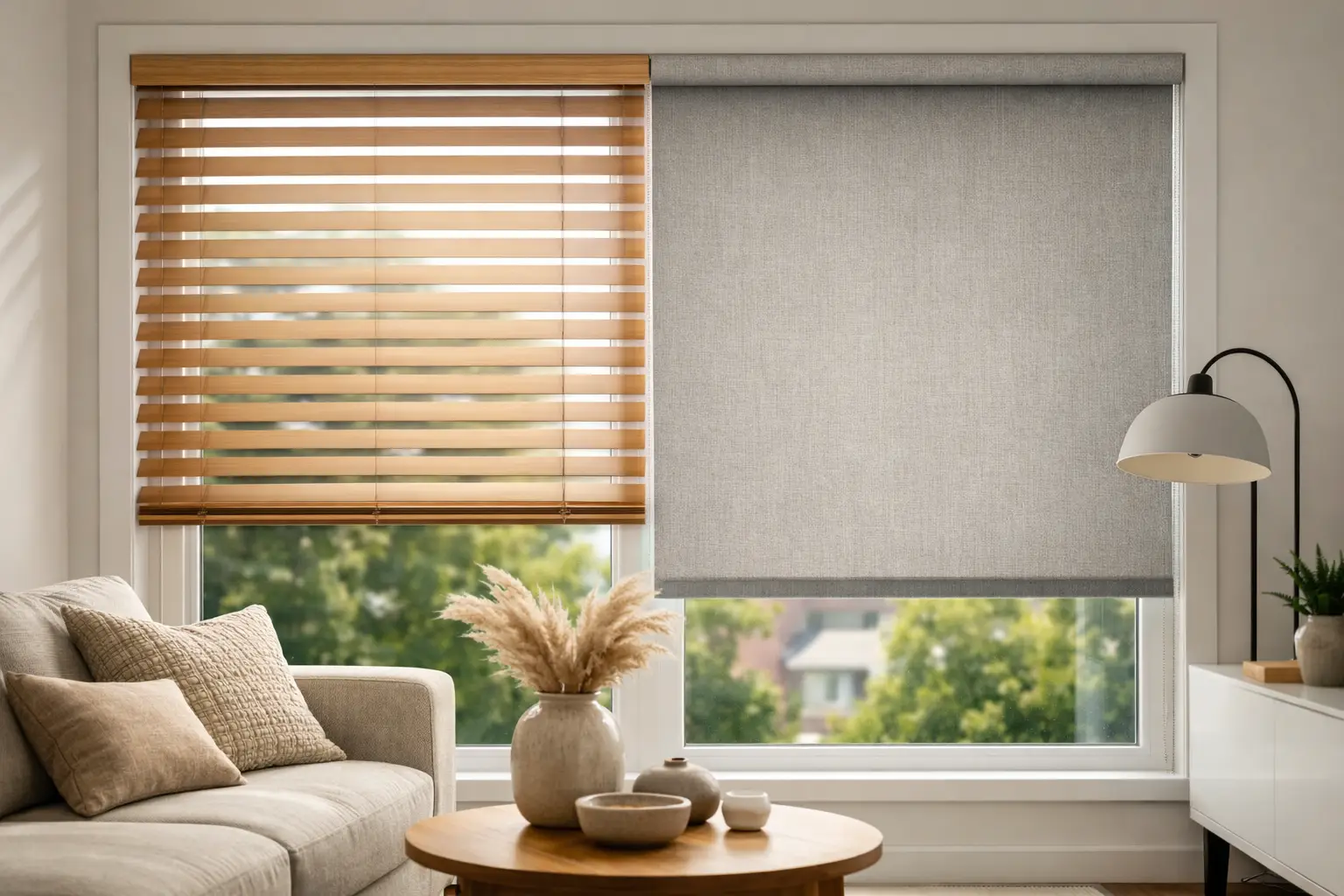
Roller shades are one of the most requested options because they suit modern interiors, condos, and whole-home projects. They can be simple and understated or more design-forward depending on the fabric and cassette style.
They work especially well in living rooms, kitchens, and bedrooms where clients want a clean profile. The trade-off is that not every roller shade performs the same way. Sunscreen fabrics preserve some view while reducing glare, but they do not create full nighttime privacy. Blackout fabrics improve room darkening, though side light gaps can still matter if sleep quality is the goal.
Dual shades for flexible privacy
Dual shades combine alternating sheer and solid bands, giving users more control over filtered light and privacy throughout the day. They are often chosen for contemporary spaces where clients want a softer look than a standard blind but still prefer a streamlined treatment.
They can be a smart fit for living areas and home offices. In bedrooms, it depends on expectations. They offer flexibility, but if complete darkness is required, a dedicated blackout solution may still be the better answer.
Honeycomb shades for insulation and comfort
Honeycomb shades are strong performers in rooms where energy efficiency and temperature balance matter. Their cellular construction helps reduce heat gain and heat loss, which can be useful in large-window homes and rooms that feel too hot in summer or too cool in winter.
They also soften a space visually. If the goal is warmth and comfort, they are often worth considering. The design trade-off is that they read more as a shade than a hard blind, so the look is less architectural than wood or metal slats.
Wood and faux wood blinds for structure and warmth
For clients who want visible slats and a more traditional or transitional feel, wood and faux wood blinds remain relevant. They bring texture and definition to dining rooms, offices, and family spaces.
Real wood has a refined look, while faux wood often makes more sense in humid spaces because it is easier to maintain and more resistant to moisture. In condos with strong sun exposure, finish stability and weight should be discussed before specifying large units.
Vertical blinds and panel systems for large openings
Large windows and sliding doors need a different conversation. Vertical blinds, panel track systems, and wide-format shade solutions are often more practical than trying to force a standard blind into an oversized opening.
This is one area where custom really pays off. Proper stack, vane width, fabric selection, and operating direction all affect daily use. A product that looks good in a photo can become frustrating fast if it blocks access to a door or feels bulky when opened.
What matters beyond style
Style gets attention first, but performance is what determines whether clients stay happy with the purchase. Three factors usually deserve more focus than they get.
The first is privacy. Daytime privacy and nighttime privacy are not the same thing. Sheer and screen materials can work beautifully during the day while becoming far more transparent at night. Bedrooms and street-facing rooms often need a more opaque fabric or a layered solution.
The second is light control. Some rooms need filtered natural light, while others need room darkening. A media room, nursery, or primary bedroom may justify blackout materials, side channels, or carefully planned outside mounts. In a kitchen or breakfast area, softer filtered light is often the better fit.
The third is operation. Cordless systems look cleaner and support child safety, while motorized blinds add convenience and precision. For tall windows, hard-to-reach areas, and whole-home projects, motorization can move from luxury to practical necessity.
Motorized custom blinds Toronto buyers are asking for more often
Motorization is no longer limited to large luxury homes. It has become a practical choice for condos, renovations, and design projects where convenience and clean presentation matter.
Motorized blinds help in spaces with multiple windows, oversized openings, or layered treatments that would be cumbersome to operate manually. They also support routines – raising shades in the morning, lowering them during peak sun, or integrating them with broader lighting and automation systems.
Brands and control platforms matter here. Battery motors, hardwired systems, remote controls, wall switches, and smart-home integration all come with different planning requirements. The right choice depends on whether the project is new construction, renovation, or a simple retrofit. A good consultation should sort through those options early, before fabric and finish decisions are finalized.
Why measuring and installation should not be an afterthought
Even an excellent product can disappoint if it is measured poorly or installed without regard to the window condition. Depth, trim profile, handle clearance, and frame irregularities affect inside and outside mount decisions.
This is especially true in older homes and some condo developments where windows may not be as square as expected. Custom means the blind is built for the opening, but only if the measurements account for real-world conditions. That is one reason many clients prefer a consultative process with product guidance, measuring support, and professional installation rather than treating blinds like a simple retail purchase.
A better buying process for custom blinds Toronto clients
The most efficient buying process usually starts with the room, not the product name. A bedroom needs different performance than a kitchen. A designer working on a full-home project may prioritize consistency across elevations, while a homeowner updating one room may care most about privacy and ease of operation.
A showroom visit helps narrow materials, textures, and control options quickly because fabrics and finishes read differently in person than they do online. It also makes it easier to compare major brands and systems side by side. For clients who want broad selection and specification support, a full-service source such as Window Fashions Depot can help connect product style with real installation requirements, whether the project is one room or an entire home.
Price should be part of the conversation, but not the only one. Lower-cost products may seem appealing until limited sizes, fewer fabric choices, weaker hardware, or poor light control create compromises that remain visible every day. Better value usually comes from buying the right solution once.
If you are planning new window treatments, start by identifying what the room has to do well – reduce glare, improve privacy, darken the space, soften the design, or automate daily use. Once those priorities are clear, the right blind tends to reveal itself much faster.